
INTRODUCTION
The Transformative Hidden Psychology Behind Saving Your First $10,000, Why It Completely Rewires Your Brain (Backed by Data)
Imagine logging into your banking app one ordinary Tuesday and seeing it: $10,000 staring back at you in your savings account.
Not a windfall. Not a bonus. Just the quiet result of consistent, often invisible effort.
Your heart skips. Your shoulders drop. And something deep inside clicks into place.
That moment isn’t just financial, it’s neurological. The hidden psychology behind saving your first $10,000 flips a switch in your brain that most people never notice until it happens.
And once it does, everything changes.
The Hidden Psychology Behind Saving Your First $10,000: Why Most People Never Reach It
Right now, nearly 24% of Americans have zero emergency savings at all, according to Bankrate’s 2026 Emergency Savings Report. Even more startling? The median emergency fund balance sits at just $5,000 for those who have one.
That means hitting $10,000 already puts you ahead of the majority.
But the real story isn’t the number, it’s what happens in your brain when you finally cross that threshold.
The hidden psychology behind saving your first $10,000 isn’t about willpower or spreadsheets. It’s about escaping a wired-in survival mode that kept our ancestors alive but keeps modern wallets empty.
Your brain evolved to prioritize immediate rewards (food, shelter, safety) over distant ones (retirement, financial freedom). That’s why saving feels hard—until it suddenly doesn’t.
How Saving Your First $10,000 Turns Off Your Brain’s Financial Alarm System
Here’s the first massive shift in the hidden psychology behind saving your first $10,000: your brain stops treating money as a constant threat.
Financial stress keeps a low-level “alarm” humming in the background, elevated cortisol, scattered attention, decision fatigue. Researchers call this the scarcity mindset, and it literally narrows your mental bandwidth.
Once you cross $10,000, that alarm volume drops. You gain what psychologists describe as a “financial safety threshold.” No longer in pure survival mode, your prefrontal cortex (the part responsible for planning and long-term thinking) finally gets breathing room.
You start making clearer decisions. You sleep better. Opportunities that once felt out of reach suddenly look possible.
One Reddit user captured it perfectly: “Once you have 10k saved you stop stressing over small emergencies and start thinking longer term. It gives you breathing room and confidence.”
That confidence isn’t imaginary, it’s measurable brain chemistry at work.
The Neuroscience of the Reward Loop: Why Saving Your First $10,000 Rewires Your Brain’s Dopamine Pathways
The hidden psychology behind saving your first $10,000 also hijacks your brain’s ancient reward system, for the better.
Every time you watch your balance grow, even by $50 or $100, your nucleus accumbens lights up with dopamine. This isn’t the cheap hit from impulse buys; it’s the deeper satisfaction of progress.
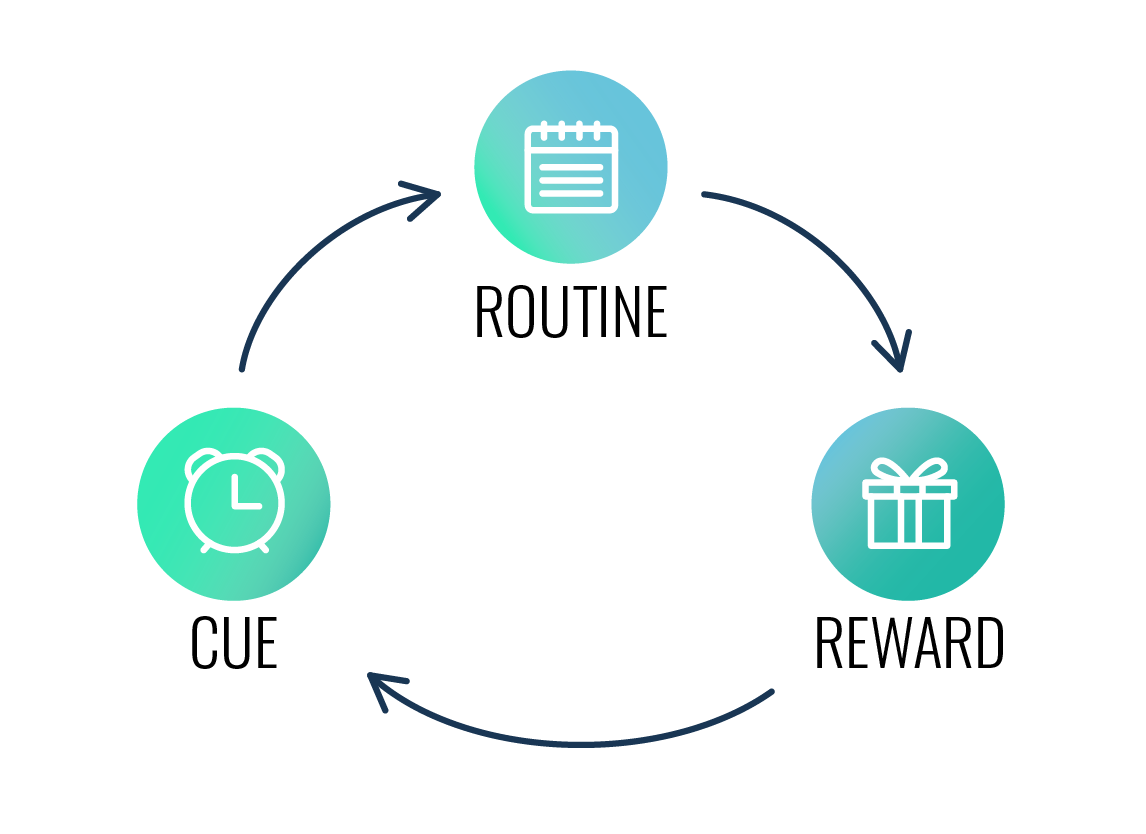
Over months, this consistent reward loop literally strengthens neural pathways associated with delayed gratification. The same habit-formation circuit that makes brushing your teeth automatic now makes saving automatic too.
Cornell neuroscientists discovered our brains are naturally wired to prioritize earning over saving. But once you prove to yourself you can do the hard thing repeatedly, neuroplasticity kicks in. New connections form. Old scarcity wiring weakens.
Suddenly, skipping takeout doesn’t feel like deprivation, it feels like winning.
From Scarcity to Abundance: The Mindset Flip That Happens When You Save Your First $10,000
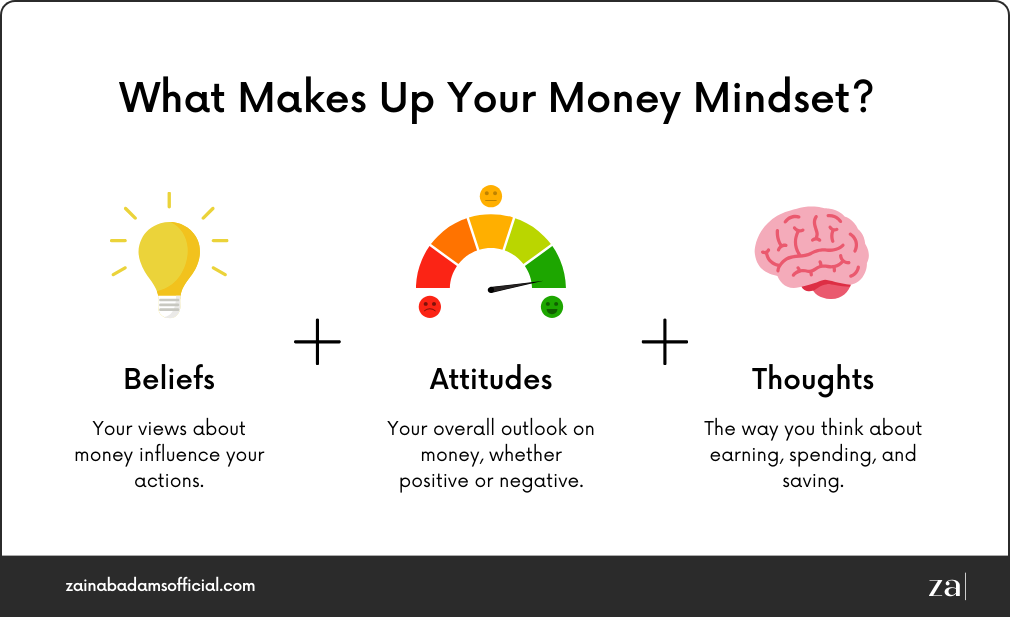
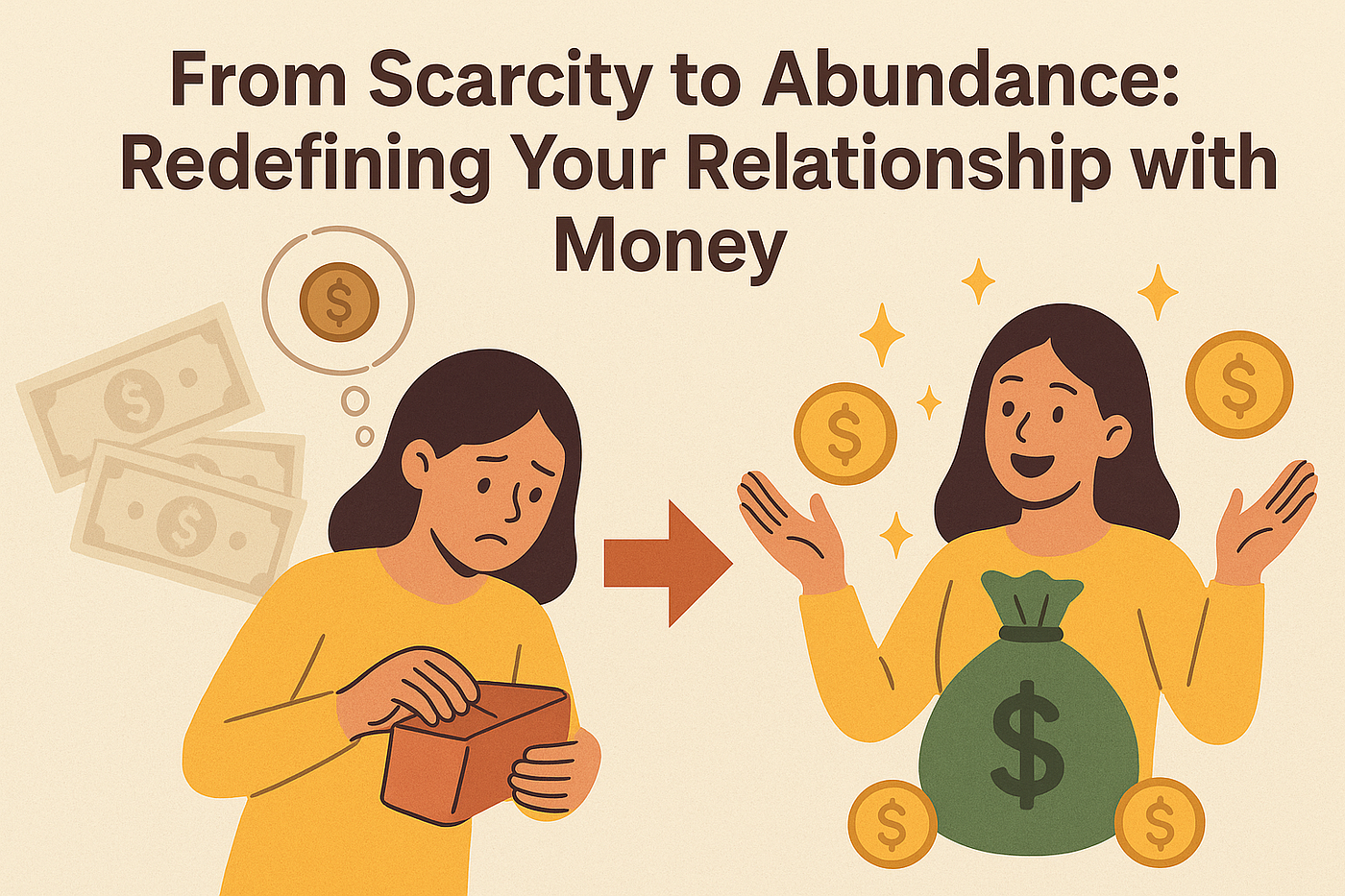
Perhaps the most profound change in the hidden psychology behind saving your first $10,000 is the switch from scarcity to abundance thinking.
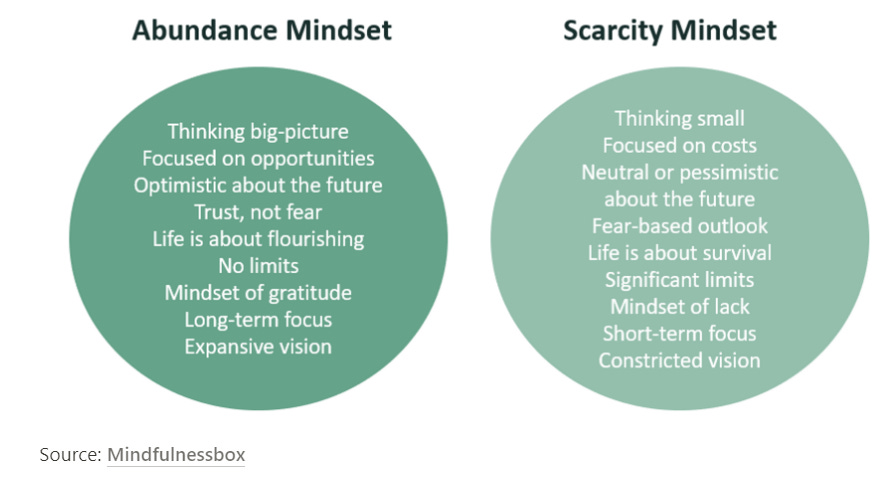
In scarcity mode, your brain obsesses over what’s missing: “I can’t afford that.” “What if I lose my job?” Every dollar feels like it might be your last.
After $10,000, abundance mode quietly takes over: “There’s more available.” “I can create more.” You start seeing money as a tool rather than a cage.
Look at the stark contrast:
- Scarcity mindset hoards out of fear and sees others’ success as a threat.
- Abundance mindset saves and invests intentionally, viewing success as expandable.
This isn’t woo-woo positivity. It’s backed by behavioral economics research showing that people in abundance mode make clearer, more creative financial decisions.
5 Hidden Ways Saving Your First $10,000 Completely Rewires Your Brain (Backed by Data)
The hidden psychology behind saving your first $10,000 operates through several powerful, often invisible mechanisms. Here are the biggest ones:
- Stress Reduction That Frees Cognitive Bandwidth Persistent money worries consume mental energy equivalent to losing a night’s sleep. Hitting $10,000 lowers cortisol, freeing up brainpower for creativity, career moves, and relationships.
- Identity Reinforcement Through Repetition You stop seeing yourself as “bad with money.” The milestone cements a new financial identity: “I’m someone who follows through.” That self-view compounds faster than interest.
- Future-Self Connection That Boosts Patience Neuroimaging studies show that vividly imagining your future self increases connectivity between the hippocampus and decision-making areas. Your $10,000 balance makes that future feel real.
- Momentum Effect That Makes Bigger Goals Feel Inevitable Small wins create psychological momentum. Once you’ve saved $10,000, $50,000 no longer feels impossible, it feels like the next logical step.
- Reduced Loss Aversion That Opens Smart Risks Behavioral economists note we feel losses twice as strongly as gains. With a buffer, you’re less terrified of calculated risks like investing, negotiating raises, or starting side hustles.
These aren’t abstract theories. They’re the exact mechanisms turning ordinary savers into confident wealth builders.
Before vs. After: A Clear Comparison of What Changes When You Save Your First $10,000
To make the transformation crystal clear, here’s a side-by-side look at the psychological and practical shifts:
| Aspect | Before Saving Your First $10,000 | After Saving Your First $10,000 | Real-World Impact |
|---|---|---|---|
| Stress Levels | Constant low-level financial anxiety | Noticeable calm and mental clarity | Better sleep, sharper decisions |
| Decision Making | Short-term, fear-driven choices | Long-term, opportunity-focused | Career moves, investments |
| Self-Identity | “I’m always broke” or “bad with money” | “I’m someone who builds wealth” | Higher confidence |
| Reward Response | Dopamine from spending | Dopamine from progress | Sustainable habits |
| Future Orientation | Survival month-to-month | Growth and compounding mindset | Bigger goals feel achievable |
| Risk Tolerance | Extreme loss aversion | Comfort with smart risks | Side hustles, investing |
Data from Bankrate and behavioral studies shows these shifts happen reliably once the $10,000 milestone is crossed.
Practical Steps to Trigger the Hidden Psychology Behind Saving Your First $10,000
You don’t need a raise or lottery ticket to start. The hidden psychology behind saving your first $10,000 rewards systems over willpower.
- Automate transfers the day you get paid, treat it like a non-negotiable bill.
- Use the “pay yourself first” method and watch the balance grow without thinking.
- Track progress visually (apps, charts, or even a simple jar) to trigger those dopamine hits.
- Celebrate small milestones along the way ($1k, $5k) to keep the habit loop strong.
- Reframe spending: every coffee skipped is a vote for your future self.
Start small. $27 a day on takeout and coffee quietly adds up to nearly $10,000 a year. Redirect even half of that and you’re on your way.
The Long-Term Ripple Effects: Why Saving Your First $10,000 Is Just the Beginning
Once the hidden psychology behind saving your first $10,000 takes hold, the effects compound in ways that surprise even the savers themselves.
You begin negotiating better salaries because you’re not desperate. You invest confidently instead of parking everything in a low-yield account. Relationships improve because money fights disappear.
Most importantly, you prove to yourself that wealth isn’t reserved for “other people.” It’s built by ordinary humans who decide to show up consistently.
That proof rewires more than your bank account, it rewires your entire life trajectory.
Your Turn: Ready to Experience the Hidden Psychology Behind Saving Your First $10,000?
The data is clear. The neuroscience is undeniable.
The only question left is whether you’ll let today be the day you start the process that completely rewires your brain.
Open that savings app right now. Set up your first automatic transfer.
The $10,000 version of you is waiting, and the hidden psychology behind saving your first $10,000 is ready to do the heavy lifting once you begin.
Share Now if this resonated with you, and drop a comment below: What’s your biggest takeaway about the hidden psychology behind saving your first $10,000?
Your future self (and every reader here) will thank you for starting the conversation.