
INTRODUCTION:
Shocking Report: 8 Reasons Insurers May Lose Money in 2026, And How It Could Cost You Thousands
Your next insurance renewal could hit like a freight train.
Premiums spiking by thousands. Coverage shrinking overnight. Or worse, your insurer pulling out entirely, leaving you scrambling for a new policy at sky-high rates.
That’s the reality staring down the industry according to the latest 2026 outlooks. While many experts still call the overall picture “cautiously optimistic,” multiple reports from Deloitte, Swiss Re, and others paint a clearer picture: mounting pressures could push combined ratios to 99% or higher, squeezing underwriting profits and forcing tough choices that land squarely on your wallet.
The numbers don’t lie. Catastrophe losses keep topping $100 billion annually, tariffs are inflating repair bills, and medical costs are climbing faster than wages. Insurers may lose money in 2026 in specific lines or even overall if a bad year strikes, and when they do, you pay the price through higher deductibles, denied claims, or unavailable coverage.
Here’s the full breakdown: the 8 reasons insurers may lose money in 2026, why it’s happening, and exactly how it could quietly drain thousands from your household budget.
Catastrophe Chaos: Why Insurers May Lose Money in 2026 from Extreme Weather
Natural disasters have become the new normal.
Munich Re reported $108 billion in insured losses from weather events in 2025 alone, and 2026 projections show no relief. Severe convective storms, wildfires, and hurricanes are driving combined ratios upward, with Swiss Re forecasting the U.S. P&C industry hitting 99% in 2026.
Insurers are retaining more risk because reinsurance is tightening. That means one bad storm season could flip profitable books into losses.
For you? Homeowners in high-risk states like California and Florida are already seeing 20-50% premium hikes, or outright non-renewals. A typical $2,000 annual policy could jump to $3,500 or more, while deductibles climb to 5% of home value. That’s $1,500–$5,000 extra out of pocket before you even file a claim.
And if your insurer posts underwriting losses, expect even steeper increases next renewal.
Tariff Trouble: How Trade Policies Could Force Insurers to Lose Money in 2026
New U.S. tariffs on imported parts and materials are quietly inflating claims costs.
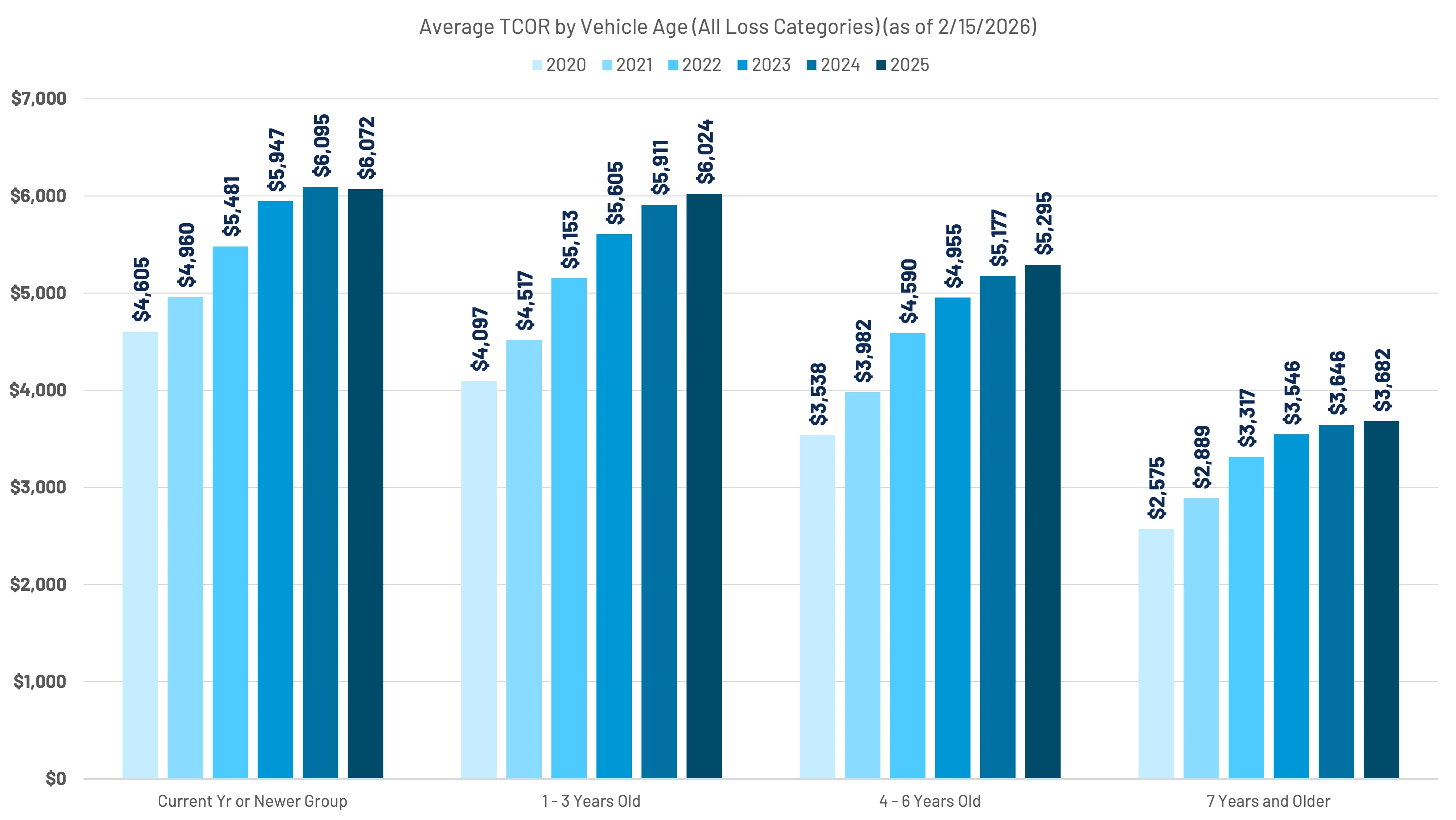
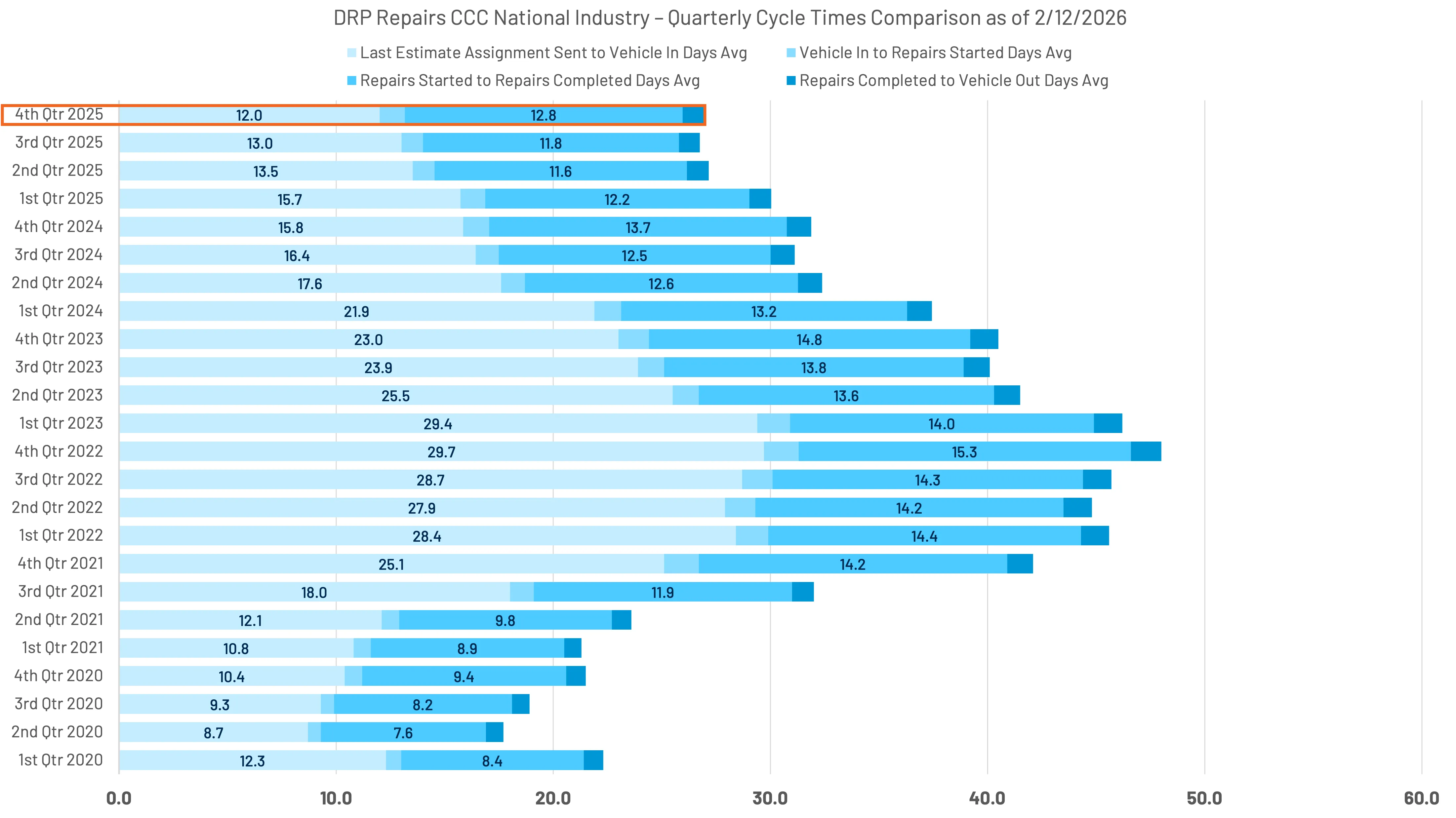
Deloitte’s 2026 global insurance outlook highlights how higher prices for auto repairs and construction lumber are pushing up loss ratios in auto and homeowners lines. A fender bender that cost $4,000 last year might run $5,500+ in 2026.
Insurers may lose money in 2026 on personal lines because rate increases can’t keep pace with these sudden cost spikes. Competition is also heating up, so they can’t pass on every penny without losing customers.
You feel it at the pump, and in your mailbox. Auto insurance for a family could rise $800–$1,200 annually as repair cycles lengthen and parts prices soar. Home rebuilds after storms get pricier too, meaning lower claim payouts or higher premiums to cover the gap.
Litigation Explosion: Social Inflation Is One Reason Insurers May Lose Money in 2026
Jury awards and aggressive lawsuits are skyrocketing.
Social inflation, higher verdicts, expanded liability theories, and rising attorney fees, is hammering commercial and liability lines. Markel’s top trends for 2026 call this a top threat to profitability.
Insurers may lose money in 2026 when reserve adjustments and large settlements eat into margins faster than premiums can adjust. Personal auto and umbrella policies are particularly vulnerable.
For consumers, this translates to broader rate increases across the board. A small business owner’s liability coverage might jump 15-25%, while personal umbrella policies add $500–$1,000 yearly. If your insurer takes a hit, expect tighter underwriting or exclusions that leave you exposed in an accident.
Competitive Pressure: Why a Softening Market Means Insurers May Lose Money in 2026
After years of hard-market rate hikes, competition is returning.
Deloitte and S&P Global note premium growth slowing to 3-4% in 2026 as carriers chase market share. Rate momentum is fading, yet loss costs remain elevated.
Insurers may lose money in 2026 on new or underpriced business if they cut rates too aggressively to win accounts. The result? Thin margins that turn negative when claims hit.
You might see short-term relief on renewals, but it’s often followed by sharp corrections. Shoppers who switch for a $300 discount today could face $2,000+ increases later when the carrier reprices or exits the line.
Medical Cost Surge: Health Insurers May Lose Money in 2026 from Rising Claims
Commercial health plans face nearly 9% medical cost inflation, the highest in over a decade.
Fitch Ratings issued a “deteriorating” outlook for health insurers in 2026, citing inpatient costs, specialty drugs (including GLP-1s), and provider consolidation.
Insurers may lose money in 2026 on Medicare Advantage and group plans if utilization spikes and rates don’t fully offset expenses.
For families, this means employer-sponsored premiums rising $1,000–$2,000 per employee, plus higher out-of-pocket maximums. Individual marketplace plans could see net premiums double for some after enhanced subsidies expire, pushing thousands into higher deductibles or dropped coverage.
Adverse Selection Shock: Expiring Subsidies Could Make Insurers Lose Money in 2026
The end of enhanced ACA premium tax credits is creating a sicker risk pool.
Urban Institute projections show 4.8 million more people uninsured in 2026, with healthier enrollees dropping out and leaving insurers with costlier members.
Insurers may lose money in 2026 on marketplace business as claims rise without corresponding premium adjustments. Adverse selection is already pressuring margins.
You could face $1,000–$4,000+ higher annual net premiums if you rely on the exchanges. Many will simply go uninsured, raising overall system costs that eventually show up in taxes or future rate hikes.
Cyber and Emerging Risks: New Threats Driving Insurers to Lose Money in 2026
Cyber claims are surging alongside AI-driven attacks and supply-chain vulnerabilities.
While not every outlook quantifies it, Markel and others flag emerging risks as a profitability wildcard. Models struggle to keep pace, leading to underpriced policies.
Insurers may lose money in 2026 when a major breach or ransomware wave hits portfolios.
Businesses and individuals pay through higher cyber premiums (up 20-30% in some sectors) or gaps in coverage. A single data breach could cost small businesses thousands in uncovered losses if their insurer tightens terms.
Investment Yield Squeeze: Why Lower Returns Could Mean Insurers Lose Money in 2026
High interest rates helped pad profits, but expected Fed cuts could trim investment income.
Life and annuity carriers in particular face reinvestment risk on long-duration assets. Conning’s outlook notes liquidity and credit risks rising.
Insurers may lose money in 2026 if underwriting losses combine with softer investment returns, forcing dividend cuts or capital raises that indirectly affect policyholders.
For you, this means potential dividend reductions on whole life policies or higher annuity costs. Retirement savers could see 0.5-1% lower yields, compounding to thousands less over time.
Quick Comparison: How the 8 Reasons Hit Your Wallet
| Reason Insurers May Lose Money in 2026 | Estimated Annual Cost to Typical Household | Most Affected Insurance Type | Actionable Tip |
|---|---|---|---|
| Catastrophe Losses | $1,000–$5,000+ premium hike | Homeowners | Shop high-risk carriers early |
| Tariffs on Repairs | $800–$1,200 | Auto | Bundle policies for discounts |
| Social Inflation | $500–$1,500 | Liability/Umbrella | Increase limits proactively |
| Softening Market | Short-term savings, then $1,000+ correction | All personal lines | Lock multi-year rates where possible |
| Medical Cost Surge | $1,000–$2,000 | Health | Maximize HSA contributions |
| Expiring ACA Subsidies | $1,000–$4,000 net premium jump | Marketplace | Explore employer or short-term options |
| Cyber/Emerging Risks | $300–$1,000+ | Cyber/Business | Add riders before renewal |
| Investment Squeeze | $500–$2,000 lower returns long-term | Life/Annuity | Diversify outside insurance products |
These figures are conservative averages drawn from industry reports and consumer data, your actual hit depends on location, risk profile, and carrier.
The Bottom Line: Insurers May Lose Money in 2026, But You Don’t Have to
The shocking truth is that 2026 could mark a turning point where profitability pressures finally translate into real pain for policyholders. Higher premiums, skimpier coverage, and more uninsured households are the likely outcomes if multiple risks converge.
But knowledge is power. Review your policies now, bundle where you can, raise deductibles strategically, and consider alternative risk transfer like parametric covers for high-cat areas. Talk to an independent agent about multi-year rate locks and explore state FAIR plans or federal programs if you’re in a high-risk zone.
Don’t wait for the renewal shock. Insurers may lose money in 2026, but proactive consumers can still come out ahead.
Share Now if this report opened your eyes, your friends and family deserve the warning too.
Drop a comment below: Which of these 8 reasons worries you most for your own insurance bills?
Stay protected, stay informed. Your financial security in 2026 starts with understanding these pressures today.