
Shocking Truth About Cash Flow
Imagine staring at a seven-figure bank statement yet still stressing over next month’s mortgage. Or watching your “net worth” climb while your checking account runs dry. That’s the harsh reality too many people face, and it’s exactly why the cash flow vs net worth conversation is far more important than most realize.
The truth? Most financial advisors gloss over this. They celebrate your growing net worth because it looks great on paper (and often on their fee statements). But the shocking truth about cash flow vs net worth is that one can make you feel wealthy while the other actually keeps you solvent. Today, we’re pulling back the curtain on five secrets they rarely explain, with real examples, practical steps, and the exact mindset shift that separates the stressed from the truly free.

What Is Cash Flow vs Net Worth? The Basics You Must Know
Let’s start simple. Net worth is your financial snapshot at any moment: everything you own (house, investments, savings, cars) minus everything you owe (mortgage, loans, credit cards). It’s a balance-sheet number that feels impressive at parties.
Cash flow, on the other hand, is the money moving through your life every month, income minus expenses. Positive cash flow means more coming in than going out. Negative? You’re dipping into savings or debt just to survive.
Here’s the kicker: you can have a massive net worth and terrible cash flow (think: a $2 million home with huge property taxes and no rental income). Or a modest net worth with strong cash flow (a paid-off rental property spitting out $3,000 monthly profit). That’s why the cash flow vs net worth debate matters more than your total assets ever will.
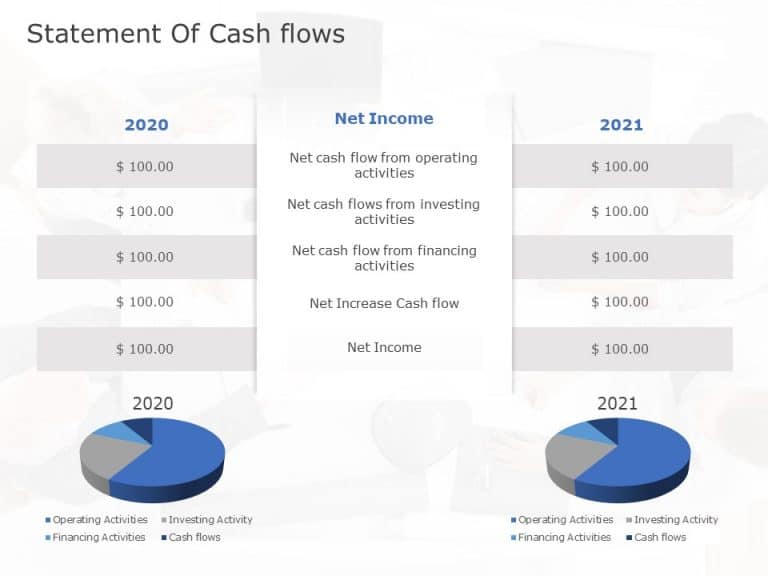
Quick comparison table to make it crystal clear:
| Aspect | Cash Flow | Net Worth | Why It Matters in Cash Flow vs Net Worth |
|---|---|---|---|
| Time Frame | Ongoing (monthly/weekly) | Snapshot (one day) | Cash flow shows daily reality |
| Liquidity | Highly liquid — actual money in your account | Often illiquid (home equity, retirement funds) | You can’t pay bills with “paper” wealth |
| Volatility | More stable and predictable | Swings wildly with markets | Cash flow survives crashes |
| Measures | Financial freedom & lifestyle sustainability | Accumulated wealth | Freedom beats bragging rights |
| Advisor Focus | Rarely emphasized | Heavily promoted (easy to track) | Drives their fees, not your peace |
This table alone changes how you view money. Now let’s dive into the five secrets.
Secret #1 of Cash Flow vs Net Worth: Net Worth Is Often Just an Illusion
Here’s the first shocker financial advisors rarely explain: your net worth number is subjective, volatile, and sometimes completely useless in real life.
As one popular wealth blog puts it, net worth is “an illusion” because it depends on estimates, how much is your house really worth today? What if the market crashes 30% tomorrow? Your retirement account looks huge on paper, but try withdrawing during a downturn and watch taxes and penalties eat it alive.
Cash flow, by contrast, is real. It’s the money hitting your bank account right now. According to experts at Financial Samurai, cash flow is what sustains you when markets tank, not some fluctuating net worth figure.
Think about it: during the 2022 market dip, plenty of “millionaires” on paper couldn’t cover groceries without selling stocks at a loss. Their cash flow vs net worth reality was brutally exposed.
Actionable tip: Stop obsessing over your net worth statement every month. Instead, track your monthly cash flow for 90 days. You’ll sleep better — guaranteed.

Secret #2 of Cash Flow vs Net Worth: Advisors Push Net Worth Because It Grows Their Business (Not Yours)
This one stings, and it’s rarely said out loud.
Many advisors are compensated based on assets under management (AUM). The bigger your net worth, the more they earn. That’s why they celebrate portfolio growth and rarely drill down on whether your cash flow supports your lifestyle.
They’ll say, “Look at that 15% return!” but skip the part where your $800,000 portfolio generates only $12,000 in dividends while your expenses run $6,000 monthly. Hello, cash crunch.
The cash flow vs net worth truth? Strong cash flow gives you options, early retirement, side hustles, or simply saying no to a soul-sucking job. Net worth alone? It’s just a number until you convert it into spendable income (often with tax headaches).
One advisor insight from recent retirement planning articles nails it: cash flow pays the bills. Net worth does not — unless you deliberately turn it into reliable income.
Pro move: Ask your advisor two questions next meeting: “What’s my monthly after-tax cash flow from these investments?” and “How would my lifestyle hold up if markets drop 20%?” Watch their reaction.

Secret #3 of Cash Flow vs Net Worth: The “House Rich, Cash Poor” Trap Is More Common Than You Think
Picture this: beautiful home worth $1.2 million, fancy cars in the driveway, yet every month you’re scrambling. Welcome to the classic cash flow vs net worth trap that financial advisors rarely warn clients about early enough.
Real estate is the poster child. Home equity boosts your net worth dramatically, but property taxes, maintenance, insurance, and HOA fees can destroy cash flow. The same goes for luxury cars or vacation homes.
A recent personal finance piece described it perfectly: “house rich and cash poor”, assets look amazing, but liquidity is zero. One couple in their 50s had a $900,000 net worth but negative $400 monthly cash flow after all bills. They were one emergency away from selling the dream home.
The shocking part? This happens to people following “traditional” advice: buy the biggest house you can “afford” and let appreciation do the work.
How to escape it:
- Run a 12-month cash flow projection before any big purchase.
- Calculate true monthly costs (don’t forget the hidden ones).
- Consider cash-flow-positive assets instead, rental properties that pay you, not drain you.

Secret #4 of Cash Flow vs Net Worth: Cash Flow Delivers Freedom That Net Worth Numbers Never Can
This is where the conversation gets exciting.
A high net worth feels good on LinkedIn. Positive cash flow feels good in real life, every single day.
It buys time freedom, stress freedom, and choice freedom. You can take a sabbatical, fund your kids’ dreams, or travel without checking your investment balance first.
Financial experts consistently say cash flow is predictive and future-oriented. It tells you whether your lifestyle is sustainable long before net worth crashes. In retirement especially, the focus shifts entirely: predictable monthly cash flow beats a giant portfolio every time.
One powerful framework from retirement planners is the “three-bucket strategy”:
- Bucket 1 (0-10 years): Safe, liquid cash flow sources
- Bucket 2 (10-20 years): Moderate growth
- Bucket 3 (20+ years): Aggressive growth
This setup protects your cash flow from market volatility, something pure net worth chasers often ignore.
Bullet-point freedom checklist:
- Cover all essentials with automatic income streams
- Build a 6-month cash buffer (true cash, not investments)
- Create multiple cash flow sources (dividends, rentals, side business)
- Track net cash flow after taxes, not gross income
When your cash flow covers life comfortably, your net worth becomes a bonus instead of a lifeline.

Secret #5 of Cash Flow vs Net Worth: Mastering Cash Flow First Supercharges Net Worth Growth (The Compound Effect Advisors Underplay)
Here’s the beautiful irony, and the final secret.
The fastest way to explode your net worth isn’t obsessing over investments. It’s mastering cash flow first.
Positive cash flow creates surplus money you can invest. That surplus compounds into bigger assets, which then generate even more cash flow. It’s a virtuous cycle that net worth chasers miss.
Business owners who track cash flow religiously often build empires faster than those focused only on valuation. The same applies personally: cut wasteful spending, increase income streams, and suddenly you’re investing thousands more monthly.
Recent data shows median net worth for Americans aged 45-54 sits around $247,200. But the people who hit financial independence early? They obsess over monthly cash flow first, then watch net worth soar as a byproduct.
Practical steps to start today:
- Download a free cash flow template or use your bank’s app
- Categorize every expense for 30 days
- Automate savings/investments the day you get paid
- Add one new cash flow source (even $200/month adds up)
- Review quarterly and adjust, consistency beats perfection
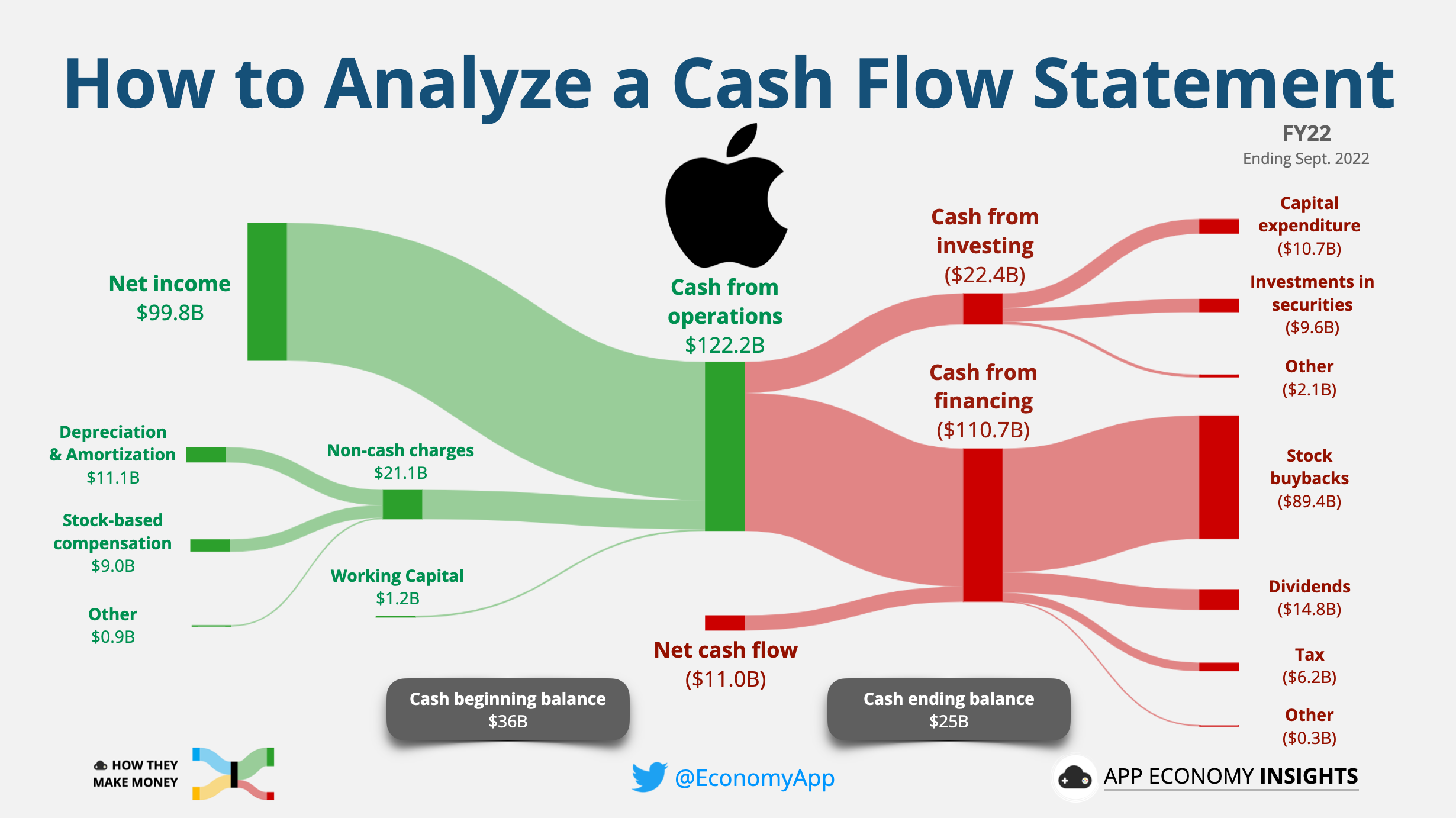
The Cash Flow vs Net Worth Mindset Shift That Changes Everything
So what’s the bottom line in this cash flow vs net worth conversation?
Net worth is great for motivation and long-term tracking. Cash flow is what actually powers your life right now.
The most successful people, and the happiest retirees, balance both, but they always prioritize cash flow. It’s the secret that turns financial stress into freedom.
You don’t need a million-dollar net worth to live like you’re wealthy. You need reliable cash flow that covers your lifestyle with room to breathe.
Ready to take control? Start by calculating your current monthly cash flow tonight. Share this post with a friend who’s obsessed with their net worth statement, and tag them in the comments: “Which secret shocked you most?”
Share Now if this opened your eyes. Read More on building passive cash flow streams next. Your future self (and your bank account) will thank you.