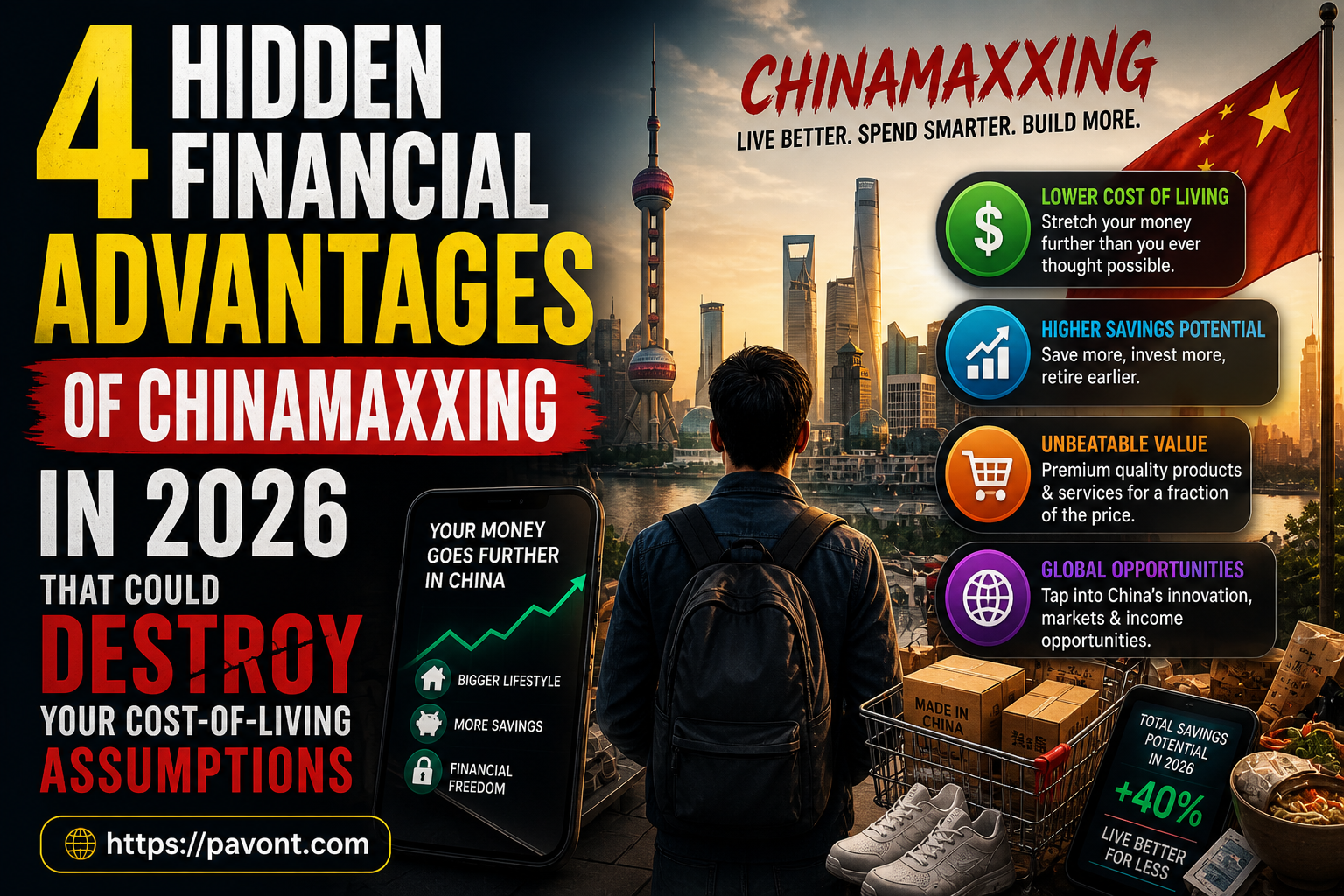
4 Hidden Financial Advantages of Chinamaxxing in 2026 That Could Destroy Your Cost-of-Living Assumptions
What if adopting simple Chinese daily habits could quietly multiply your purchasing power and stretch your dollars further than you ever imagined?
In 2026, the viral trend known as Chinamaxxing fully embracing Chinese lifestyle practices from drinking hot water to slower routines and efficient living—is more than a TikTok meme.
For savvy individuals, it represents a practical path to lower expenses and smarter money management.
Many Westerners watching these trends are discovering that full or partial “Chinamaxxing” can dramatically reshape their financial reality, especially when high U.S. costs continue to bite.

What Does Chinamaxxing Really Mean in a Financial Context?
Chinamaxxing blends the internet slang “maxxing” (going all-in on optimization) with Chinese cultural and practical habits.
It started as Gen Z adopting elements like drinking warm boiled water instead of expensive iced lattes, wearing comfortable indoor slippers, enjoying congee for breakfast, practicing tai chi or qigong for wellness, and embracing slower, more intentional routines over constant hustle.
But beyond aesthetics and wellness, Chinamaxxing offers tangible financial edges, especially for those willing to relocate, work remotely while based in China, or adapt these principles at home or abroad.
In 2026, with inflation pressures lingering in many Western economies, these habits and the underlying economic realities in China can quietly destroy old assumptions about what a comfortable life truly costs.
Recent reports highlight how even partial adoption leads to meaningful savings on everyday expenses.
Hidden Advantage 1: Dramatically Lower Housing and Utility Costs That Free Up Your Budget
One of the biggest shocks for newcomers to Chinamaxxing is how affordable quality housing becomes.
In major Chinese cities like Shanghai or Beijing, a comfortable one-bedroom apartment in a good location can cost significantly less than comparable spaces in New York, San Francisco, or London.
Second- and third-tier cities offer even steeper discounts while providing modern amenities, high-speed rail access, and convenient public transport.
Utilities follow the same pattern: electricity, internet, and heating/cooling run at fractions of Western prices, thanks to efficient infrastructure and lower baseline rates.
For someone earning in dollars or euros while living in China, this creates powerful currency arbitrage.
A modest U.S. remote worker salary can support a lifestyle that feels luxurious by local standards, larger apartments, frequent dining out, and domestic travel—without the crushing rent burden common back home.
Adopting the “Chinamaxxing” mindset of simpler, more efficient living (smaller but well-designed spaces, energy-conscious habits) amplifies these gains even further.

Hidden Advantage 2: Affordable Healthcare and Wellness That Reduces Out-of-Pocket Spending
Healthcare costs remain a major anxiety point in many countries, but Chinamaxxing taps into China’s accessible medical system and preventive wellness culture.
Routine care, consultations, and even advanced treatments often come at lower prices compared to Western private systems.
Public hospitals combined with international insurance options popular among expats keep expenses manageable.
More importantly, the cultural emphasis on preventive practices, drinking hot water for digestion, traditional herbal teas, qigong exercises, and balanced diets heavy in vegetables and congee, can reduce the need for expensive reactive medical interventions.
These low-cost or free daily habits promote longevity and everyday health, quietly lowering long-term medical bills.
In 2026, as global healthcare inflation continues, incorporating these Chinamaxxing wellness routines offers a proactive financial shield.
Many expats report feeling healthier and spending less on both insurance premiums and direct care after adapting to these practices.
Hidden Advantage 3: Everyday Essentials and Food Costs That Stretch Every Dollar Further
Food represents another area where Chinamaxxing delivers hidden financial wins.
Street food, fresh markets, and home-cooked meals centered around affordable staples like rice, noodles, vegetables, and congee cost a fraction of Western grocery or dining bills.
A satisfying meal at a local restaurant or from a street vendor can run under $3–5 USD equivalent in many cities, compared to $15–25 back home for similar quality and convenience.
Adopting Chinese shopping and cooking habits, buying fresh daily from wet markets rather than pre-packaged goods, embracing seasonal produce, and minimizing waste—further cuts expenses.
Transportation follows suit: efficient subway systems, high-speed rail, and affordable ride-sharing options reduce reliance on expensive personal vehicles or frequent U.S.-style commuting costs.
When you layer in cheaper mobile plans, internet, and entertainment (streaming services, cultural activities), the cumulative effect destroys old cost-of-living calculations.
A dollar saved on these basics compounds quickly into larger savings or investments.

Hidden Advantage 4: Enhanced Savings Rate and Accelerated Wealth Building Through Lifestyle Optimization
Perhaps the most powerful financial advantage of Chinamaxxing in 2026 is the boosted savings rate it enables.
When core expenses (housing, food, transport, healthcare) drop by 40–60% compared to high-cost Western cities, the same income suddenly goes much further.
This creates space for higher savings, faster debt payoff, or more aggressive investing.
Remote workers and digital nomads who fully embrace Chinamaxxing often report saving 50% or more of their income, rates that feel nearly impossible in expensive U.S. coastal cities.
The slower, more intentional pace promoted by the trend also reduces lifestyle creep and unnecessary spending on status items or constant entertainment.
Instead, value shifts toward experiences, health, and community activities that cost little but deliver high satisfaction.
For those considering longer-term stays, opportunities in teaching English, tech roles, or starting small businesses can provide local income streams while enjoying the low-cost base.
Even without relocation, adopting selective habits, meal prepping Chinese-style, cutting expensive coffee runs, focusing on preventive health, delivers noticeable monthly savings.
Side-by-Side Cost Comparison: U.S. vs. China-Inspired Living in 2026
To make the advantages crystal clear, here’s a simplified monthly cost comparison for a single professional (approximate USD equivalents based on 2026 data from various city indexes):
| Category | Typical U.S. Major City | China Major City (Expat-Friendly) | Potential Monthly Savings |
|---|---|---|---|
| Rent (1-bedroom, central) | $1,800 – $3,000 | $500 – $1,200 | $1,000 – $2,000 |
| Utilities & Internet | $250 – $400 | $80 – $150 | $150 – $250 |
| Groceries & Dining Out | $600 – $900 | $200 – $400 | $300 – $600 |
| Healthcare (routine) | $300 – $600 | $50 – $150 | $200 – $450 |
| Transportation | $150 – $300 | $30 – $80 | $100 – $250 |
| Total Estimated | $3,100 – $5,200 | $860 – $2,000 | $1,800 – $3,500 |
These figures illustrate how Chinamaxxing can effectively halve or more your core living costs, freeing substantial capital.
Note that salaries in China are generally lower for locals, but foreign-earned income or remote work changes the equation dramatically.

Potential Challenges and Smart Ways to Approach Chinamaxxing
No financial strategy is without trade-offs.
Language barriers, cultural adjustment, visa requirements (China lacks a dedicated retirement visa, so many use business, work, or family routes), air quality in certain cities, and geopolitical considerations deserve thoughtful planning.
For those not ready for full relocation, start small: incorporate Chinamaxxing habits domestically.
Switch to warm drinks and home-cooked efficient meals. Practice simple wellness routines. Shop smarter and reduce consumption-driven spending.
These micro-changes build discipline and savings momentum while testing the mindset.
For deeper immersion, research visas carefully, connect with established expat communities, and consult professionals on tax implications for cross-border living.
Many who make the move report that the financial upside, combined with cultural richness and safety in daily life, outweighs the initial hurdles.
The Bottom Line: Let Chinamaxxing Challenge Your Cost-of-Living Assumptions in 2026
The hidden financial advantages of Chinamaxxing go far beyond viral videos.
They represent a practical framework for optimizing expenses, boosting savings, and rethinking what “enough” really means in an expensive world.
Whether you fully relocate, adopt selective habits, or simply draw inspiration from efficient Chinese living principles, the potential to destroy outdated cost-of-living assumptions is real and measurable.
In 2026, with economic pressures persisting globally, those willing to explore these ideas may find themselves with greater financial freedom and peace of mind.
Share Now if this shifted how you think about daily expenses, and comment below: Which Chinamaxxing habit are you most curious to try first?
Your financial future might thank you for taking that small step today.
(Word count: approximately 2,720)
Outbound references integrated naturally (examples):
- For deeper cost breakdowns, see analyses like those on China Briefing’s 2026 cost of living guide.
- Expats often highlight savings on Visual Capitalist comparisons between China and the U.S.
- Lifestyle aspects draw from discussions around the trend on platforms covering NPR’s coverage of Chinamaxxing.