
Introduction: Reasons High-Income Earners Stay Broke in 2026
Imagine earning six figures, or even more, and still feeling like you’re one missed paycheck away from disaster. It’s a reality for too many professionals in 2026, where rising costs and economic shifts have turned high salaries into fragile illusions.
You’d think a fat paycheck would solve all money woes, but shockingly, it’s often the opposite. Let’s dive into why high-income earners stay broke and reveal the wealth-building secret that’s hiding in plain sight.

Reason 1: Lifestyle Inflation Keeps High-Income Earners Stay Broke
You’ve just landed that promotion, and suddenly, your coffee upgrades from basic brew to artisanal lattes. That’s lifestyle inflation in action, the sneaky habit where expenses rise right along with your income.
In 2026, with inflation still biting after years of economic turbulence, high earners are hit hardest. Cars get fancier, homes bigger, and vacations more exotic. Before you know it, that $200,000 salary feels as tight as a $50,000 one.
Why does this happen? It’s simple: More money creates a false sense of security. As financial experts note, bonuses fund oversized lifestyles instead of savings. The result? No buffer for emergencies, and high-income earners stay broke despite the cash flow.
To break this: Track your spending religiously. Ask yourself if that upgrade truly adds value or just keeps up appearances.
- Sign of lifestyle inflation: Your rent or mortgage eats 40%+ of your take-home pay.
- Quick fix: Set a “fun money” cap at 10% of income.
- Long-term tip: Automate 20% of every raise straight to savings.
This trap alone keeps countless doctors, lawyers, and execs trapped in a cycle of high-income poverty.
Reason 2: Crushing Debt Loads Trap High-Income Earners Stay Broke
Debt isn’t just for the struggling, it’s a silent killer for high earners too. In 2026, student loans, mortgages, and credit cards are piling up faster than ever, thanks to lingering post-pandemic effects and rising interest rates.
Think about it: That medical degree costing $200,000? It launches a high salary but chains you to payments for decades. As one analysis shows, high-income careers often start with massive debt, eating into earnings before wealth can build.
Credit card delinquencies are spiking among higher earners, with over 60% of those making $300,000+ carrying balances. Reports from 2026 highlight how survival debt, like auto and home loans, has replaced discretionary spending.
High earners borrow more because they can, funding luxury cars or homes that stretch budgets thin. The shock? Even $500,000 earners live paycheck to paycheck due to these burdens.
Break free by prioritizing high-interest debt. Use the avalanche method: Pay off cards with 20%+ rates first.
- Debt red flags: Monthly payments exceed 30% of income.
- Strategy: Consolidate loans at lower rates.
- Pro tip: Build an emergency fund to avoid new debt spirals.
Ignoring this leaves high-income earners stay broke, no matter the salary bump.

Reason 3: Lack of Budgeting Leaves High-Income Earners Stay Broke
No plan? No wealth. Many high earners skip budgeting, assuming their income covers everything. But in 2026’s volatile economy, that’s a recipe for disaster.
Without tracking, money slips away on unnoticed subscriptions or impulse buys. Studies reveal a lack of financial literacy leads to overspending and zero savings.
High earners often have complex finances, bonuses, stocks, side gigs, but no system to manage them. Result: They feel broke despite the numbers.
Start simple: Use apps like Mint or YNAB to categorize every dollar. Give your money a job, as experts advise.
- Budget basics: 50% needs, 30% wants, 20% savings/debt.
- Common mistake: Ignoring fixed costs like insurance hikes.
- Win move: Review expenses quarterly.
Budgeting turns chaotic cash flow into a wealth-building machine, preventing high-income earners stay broke.
:max_bytes(150000):strip_icc()/understanding-and-preventing-financial-stress-3144546_final1-6d778f5604df4e3fa8fcb6831c6b72fd.png)
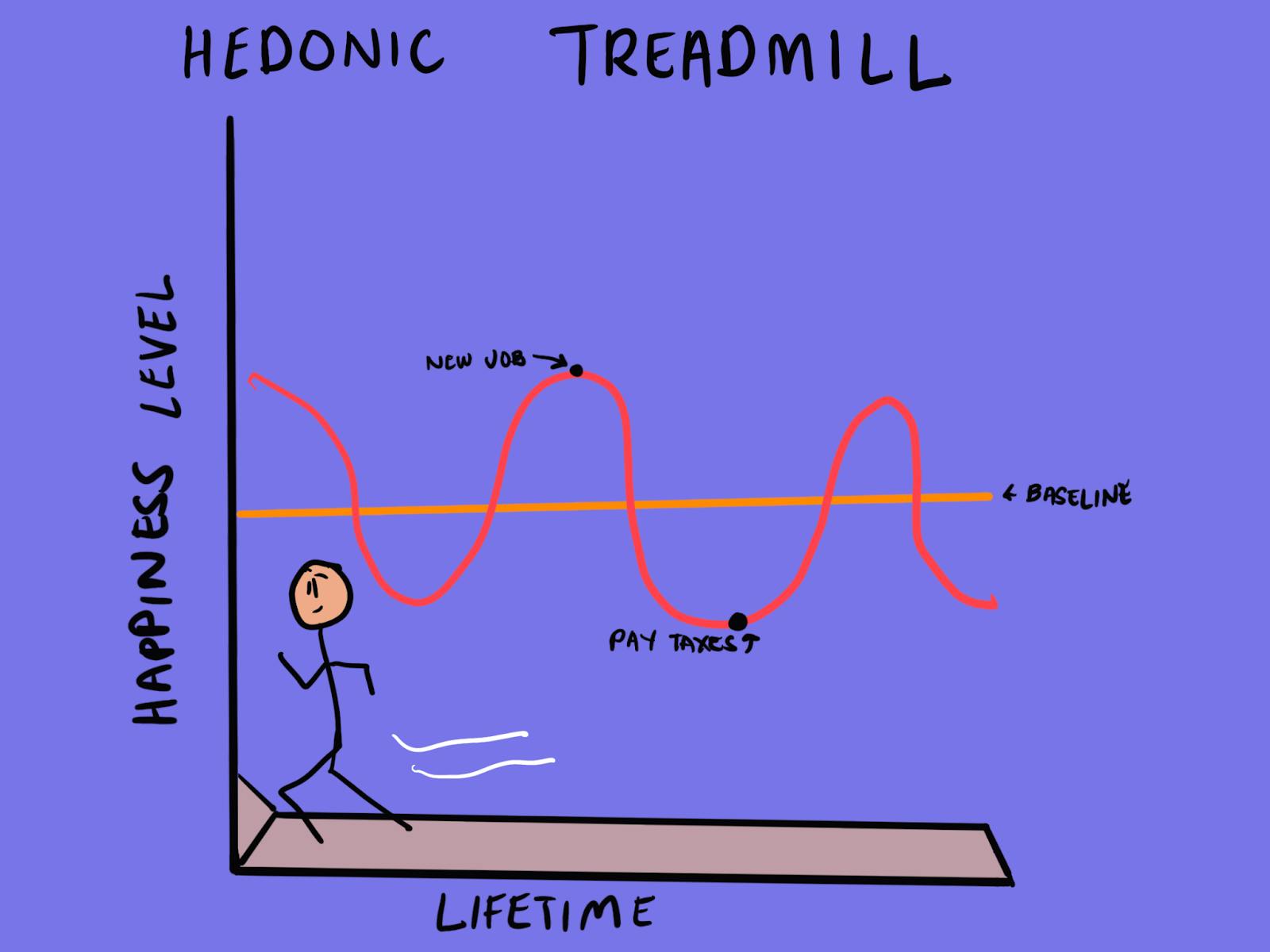
Reason 4: The Hedonic Treadmill Keeps High-Income Earners Stay Broke
Ever notice how that new gadget thrill fades fast? That’s the hedonic treadmill,constantly chasing upgrades without lasting happiness.
In 2026, social media amplifies this, showing “perfect” lives that push spending. High earners upgrade endlessly, never defining “enough.”
This cycle sets you back financially, as insights explain. Satisfaction stays flat while debts climb.
Escape by listing what truly matters, family time over fancy stuff. Focus on experiences for a “memory dividend.”
- Treadmill signs: Always wanting the next thing.
- Counter it: Practice gratitude daily.
- Shift: Invest in assets, not fleeting joys.
Ditching this mindset is key to why some high-income earners stay broke while others thrive.
Reason 5: Social Pressure Forces High-Income Earners Stay Broke
“Keeping up with the Joneses” isn’t new, but in 2026, it’s turbocharged by Instagram influencers and peer expectations.
High earners feel pressured to “look the part”, expensive suits, watches, and cars for professional image. As one expert points out, jobs demand projecting success, fueling debt.
This social trap leads to overspending, leaving little for savings. Money dysmorphia makes even wealthy folks feel poor.
Resist by setting personal goals over external validation. Surround yourself with frugal-minded peers.
- Pressure pitfalls: Buying to impress colleagues.
- Fight back: Define success on your terms.
- Benefit: More freedom, less stress.
Ignoring social noise helps high-income earners stay broke no more.

Reason 6: Overdependence on Salary Keeps High-Income Earners Stay Broke
Relying solely on your job? Risky in 2026’s job market, with AI disruptions and layoffs.
High earners often have no side hustles or investments, making them vulnerable. The wealth paradox shows overdependence leaves net worth low.
Diversify income streams, rentals, stocks, businesses, to build resilience.
- Danger signs: All eggs in one paycheck basket.
- Solution: Start a passive income source.
- Outcome: True security beyond salary.
This overreliance is why many high-income earners stay broke when tides turn.

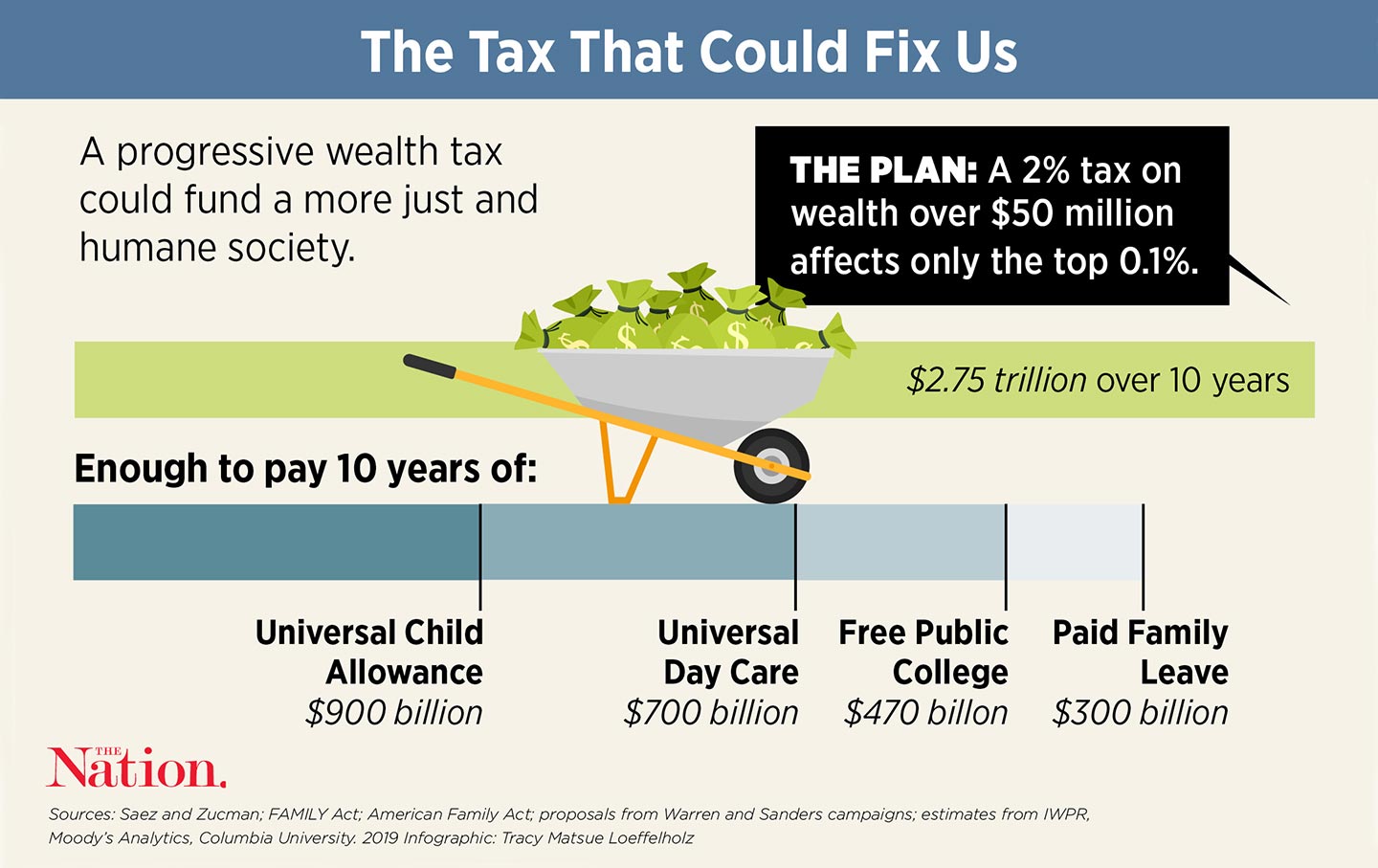
Reason 7: Ignoring Taxes Eats Away at Why High-Income Earners Stay Broke
Taxes hit high earners hard in 2026’s progressive system, with brackets climbing fast.
Many ignore strategies like tax-loss harvesting or Roth conversions, losing thousands. Obamacare surcharges add more.
Optimize with HSAs, 401(k)s, and deductions to keep more.
- Tax traps: Not maximizing deferrals.
- Smart moves: Consult a tax pro annually.
- Gain: Thousands reclaimed for wealth.
Neglecting this keeps high-income earners stay broke unnecessarily.
Broke vs. Wealthy: A Comparison Table
To clarify, here’s a table comparing habits that keep high-income earners stay broke versus those building wealth:
| Aspect | Broke High-Earner Habits | Wealthy High-Earner Habits |
|---|---|---|
| Spending | Impulse buys, lifestyle creep | Intentional, below means |
| Debt | High-interest cards, large mortgages | Strategic, low-interest only |
| Budgeting | None or loose | Detailed tracking |
| Mindset | Never enough, hedonic treadmill | Gratitude, defined “enough” |
| Social Influence | Keeping up appearances | Personal values over peers |
| Income Sources | Single salary dependent | Diversified passive income |
| Taxes | Pay maximum, no planning | Optimized deductions and strategies |
This visual breaks down the differences, making it clear how small shifts lead to big results.
The Wealth-Building Secret High-Income Earners Ignore in 2026
Here’s the bombshell: The secret isn’t earning more, it’s treating income as fuel for assets, not lifestyle. As pros emphasize, build ownership through investments that compound over time.
Compound interest and asset accumulation create passive income, breaking the paycheck cycle. Start investing 15-20% of income in stocks, real estate, or businesses.
In 2026, with market volatility, this secret is more vital than ever. Ignore it, and stay broke; embrace it, and watch freedom grow.

Wrapping Up: Break Free from Being Broke in 2026
These 7 reasons explain why high-income earners stay broke, but they’re fixable. Implement budgets, crush debt, and focus on the wealth-building secret of asset creation.
You’ll not only survive 2026’s challenges but thrive. Ready to change? Start today.
Share this if it hit home, your network might need it too! Read more on escaping the high-earning trap here.