Introduction
Gold’s Biggest Drop Since 1983: 9 Urgent Warning Signs That Could Wipe Out Your Wealth in Weeks (Revealed)
Gold’s Biggest Drop Since 1983 is here, and it’s brutal.
In just one week, the yellow metal crashed 11%, its worst performance in over four decades.
What was supposed to be a safe-haven superstar during Middle East chaos is now dragging portfolios down hard.
If you own gold, mining stocks, or even think your “diversified” portfolio is protected, these next few weeks could quietly, or not so quietly, wipe out years of gains.
What Triggered Gold’s Biggest Drop Since 1983?
The numbers don’t lie.
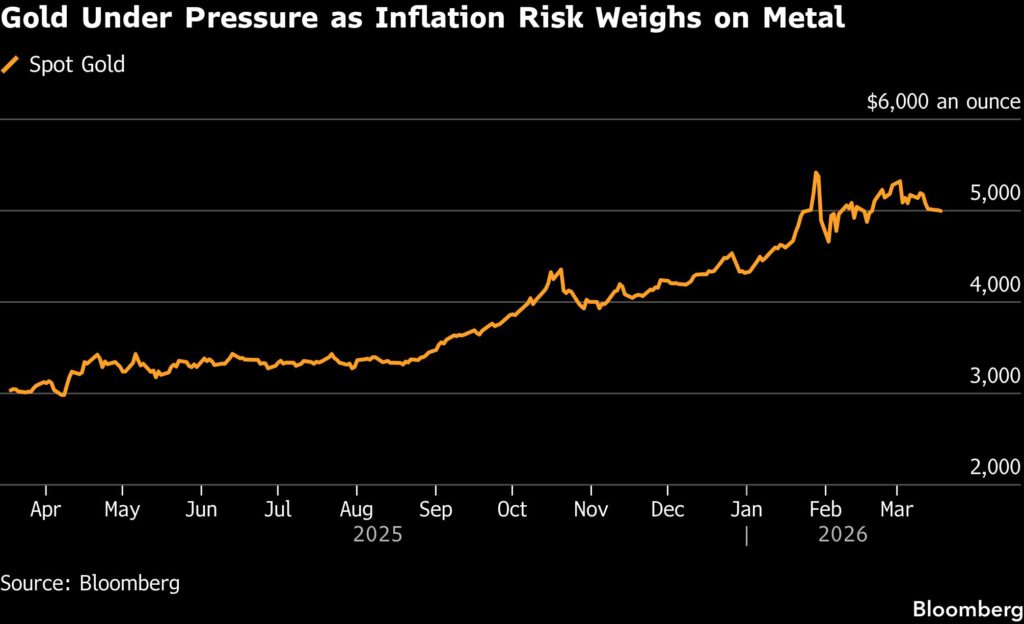
Spot gold tumbled from recent highs near $5,300+ down toward $4,500 per ounce in days.
Analysts point to one toxic mix: escalating U.S.-Israel strikes on Iran spiking oil prices over 40%, reigniting inflation fears, and forcing the Fed to stay hawkish.
Higher rates? Stronger dollar? Suddenly gold, the classic crisis hedge, became toxic.
As CNN reported, this isn’t just a dip; it’s a seismic shift investors ignored at their peril.
Gold’s Biggest Drop Since 1983: The 9 Urgent Warning Signs You Can’t Ignore
Most people see the headline and panic-sell.
Smart ones dig deeper.
These 9 warning signs hidden inside Gold’s Biggest Drop Since 1983 aren’t just about bullion, they’re red flags for your entire net worth.
Ignore them, and a few weeks of cascading losses could erase tens or hundreds of thousands.
Here they are, laid out clearly.
1. The Iran War Oil Shock That’s Poisoning Gold’s Safe-Haven Status
Everyone expected war to send gold soaring.
Instead, the exact opposite happened.
U.S. and Israeli strikes disrupted the Strait of Hormuz, pushing Brent crude above $108 and WTI near $96.
That energy shock is fueling inflation, exactly what the Fed hates.
Result? Gold’s Biggest Drop Since 1983 because higher oil means sticky inflation, which kills rate-cut hopes.
Your physical gold or ETF just lost 11% in days. If you’re leveraged or heavy in miners, the damage is already double-digits.

2. Hawkish Fed Reality Check Crushing Rate-Cut Dreams
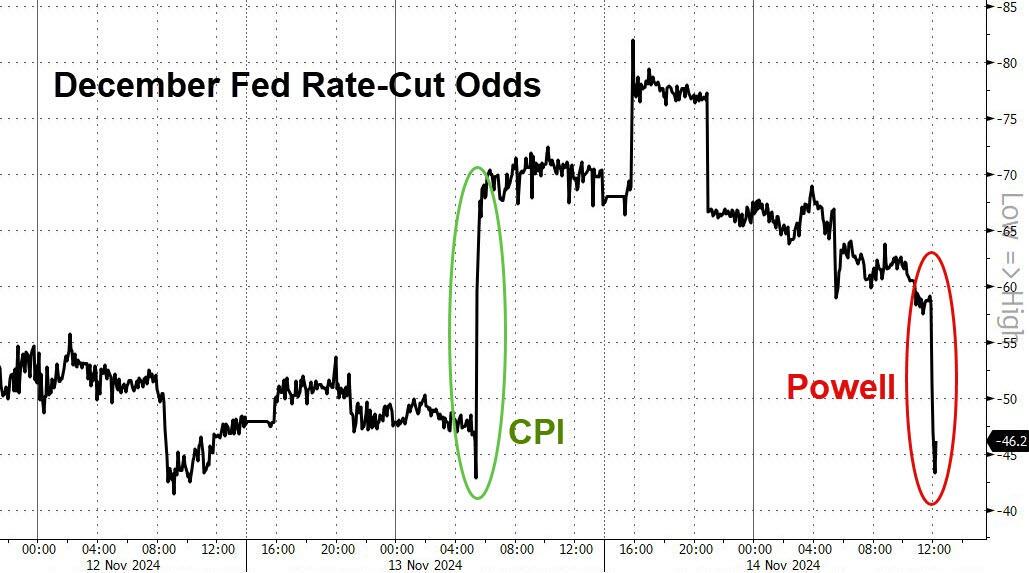
Jerome Powell made it crystal clear: only one rate cut expected in 2026.
That single sentence triggered the avalanche.
Gold thrives when rates fall because it has no yield.
Now, with the Fed on hold, the opportunity cost of holding non-yielding metal skyrockets.
Warning sign #2 inside Gold’s Biggest Drop Since 1983: your “inflation hedge” is getting hammered precisely because inflation fears are rising.
3. Surging U.S. Dollar Turning Gold Into an Expensive Luxury
The dollar index jumped while gold tanked.
Classic relationship: stronger greenback makes dollar-priced gold costlier for foreign buyers.
This week’s surge in the DXY added fuel to the fire.
If the dollar keeps climbing, and most analysts say it will, Gold’s Biggest Drop Since 1983 could easily extend another 10-15% lower.
Your overseas diversification just became a liability.

4. Parabolic 2025 Rally Setting Up Massive Profit-Taking
Gold ran up over 60% in 2025 with multiple record highs.
That kind of euphoria always ends the same way.
Smart money locked in gains the moment war headlines hit, triggering margin calls and forced selling.
Warning sign #4: what looked like unstoppable momentum was actually a bubble waiting to pop.
If you bought near the top, Gold’s Biggest Drop Since 1983 just wiped out your paper profits, and maybe more.

5. Geopolitical Chaos Backfiring on Traditional Safe-Haven Logic
War in the Middle East was supposed to be gold’s best friend.
Instead, it became its worst enemy.
Why? Because this conflict is inflationary, not deflationary.
Investors are rotating into oil, cash, and short-term Treasuries instead.
This reversal inside Gold’s Biggest Drop Since 1983 proves even “safe” assets can betray you when the crisis type changes.

6. Rising Treasury Yields Making Bonds Sexy Again
10-year yields climbed as rate-cut odds collapsed.
Higher yields = higher returns on “safe” government debt.
Gold suddenly looks boring and expensive by comparison.
Warning sign #6: if yields keep rising, expect another leg down in gold prices, potentially testing $4,000 support.
Your retirement account holding GLD or physical bars is feeling the squeeze.
7. Gold Mining Stocks and ETFs Crashing Even Harder
Physical gold is down 11%.
Miners and ETFs like GDX? Down 15-20% in the same period.
Leverage cuts both ways.
If you own mining shares thinking they’d amplify gold’s upside, Gold’s Biggest Drop Since 1983 just delivered the downside version, amplified losses.

8. Hidden Portfolio Contagion Spreading to Stocks and Real Estate
The same forces hammering gold, inflation, higher rates, strong dollar, are now pressuring equities and property values.
Tech stocks tied to high valuations are wobbling.
Home prices in rate-sensitive markets could stall.
Warning sign #8 inside Gold’s Biggest Drop Since 1983: this isn’t isolated. Your whole wealth ecosystem is at risk if you’re not rebalanced now.
9. The Creep Risk of a Multi-Month Bear Market in Gold
Analysts warn this could be the start of a 5-20% correction.
Some see support at $4,000-$4,200.
If we break lower, panic selling accelerates.
The final warning sign: Gold’s Biggest Drop Since 1983 might not stop in weeks, it could drag into months, quietly eroding wealth while you wait for a “recovery” that may not come soon.
Gold’s Biggest Drop Since 1983 vs. Past Crashes: Quick Comparison Table
To put today’s meltdown in perspective, here’s how it stacks up:
| Warning Sign | Current 2026 Drop | 1983 Crash Impact | Potential Wealth Wipeout Risk |
|---|---|---|---|
| Weekly % Loss | -11% | Similar magnitude | 15-25% portfolio hit |
| Oil Shock Trigger | Yes (Iran war) | No | High if energy stays elevated |
| Fed Policy | Hawkish, fewer cuts | Tightening | Medium-High |
| Dollar Strength | Surging | Strong | High |
| Mining Stocks | -15-20% | Severe | Very High |
| Recovery Time (Historical) | Unknown | 2+ years | 6-18 months possible |
Data compiled from Bloomberg and recent analyst reports. Numbers show why this time feels different, and more dangerous.
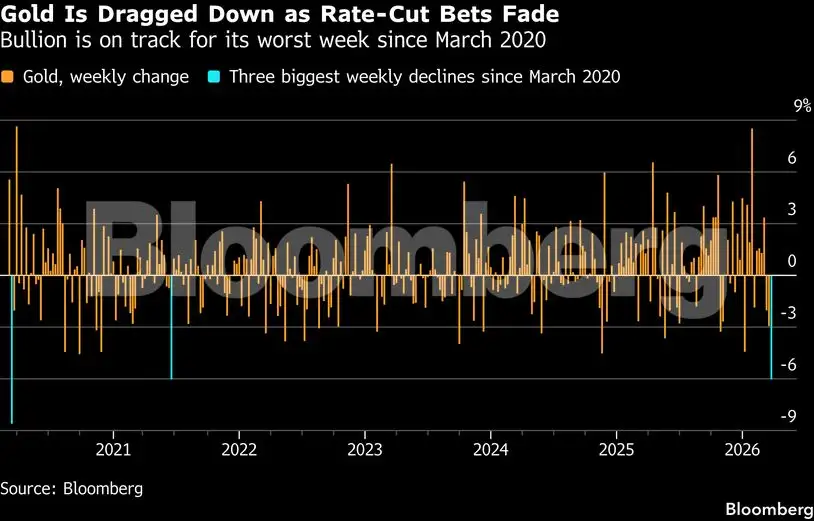
What Should You Do Right Now?
Don’t panic-sell into the void.
But don’t sit idle either.
Rebalance away from overexposure to gold and miners.
Consider short-term Treasuries or dollar-strength plays.
Review your overall allocation, aim for true diversification, not just “gold as insurance.”
Gold’s Biggest Drop Since 1983 is a loud wake-up call.
The investors who act on these 9 warning signs will protect, and maybe even grow, their wealth.
Those who ignore them? They’ll be telling regret stories in a few weeks.
Share Now if this hit home, and comment below: Which warning sign worries you most?
Your portfolio, and your future self, will thank you for spreading the alert before the next leg down.
Stay sharp. Stay protected.