

7 Shocking Reasons Chasing Money Is Keeping You Poor in 2026 (What the Wealthy Know That You Don’t)
It’s 2026. You’re hustling harder than ever, side gigs, overtime, endless notifications, and yet your savings feel frozen while bills keep rising.
Chasing money is keeping you poor, and the scariest part? Most people never realize it until years have slipped away.
The wealthy don’t work harder. They think completely differently. They stopped chasing dollars long ago and started building systems that make money chase them.
Here are the 7 shocking reasons chasing money is keeping you poor right now, and the exact mindset shift that changes everything.
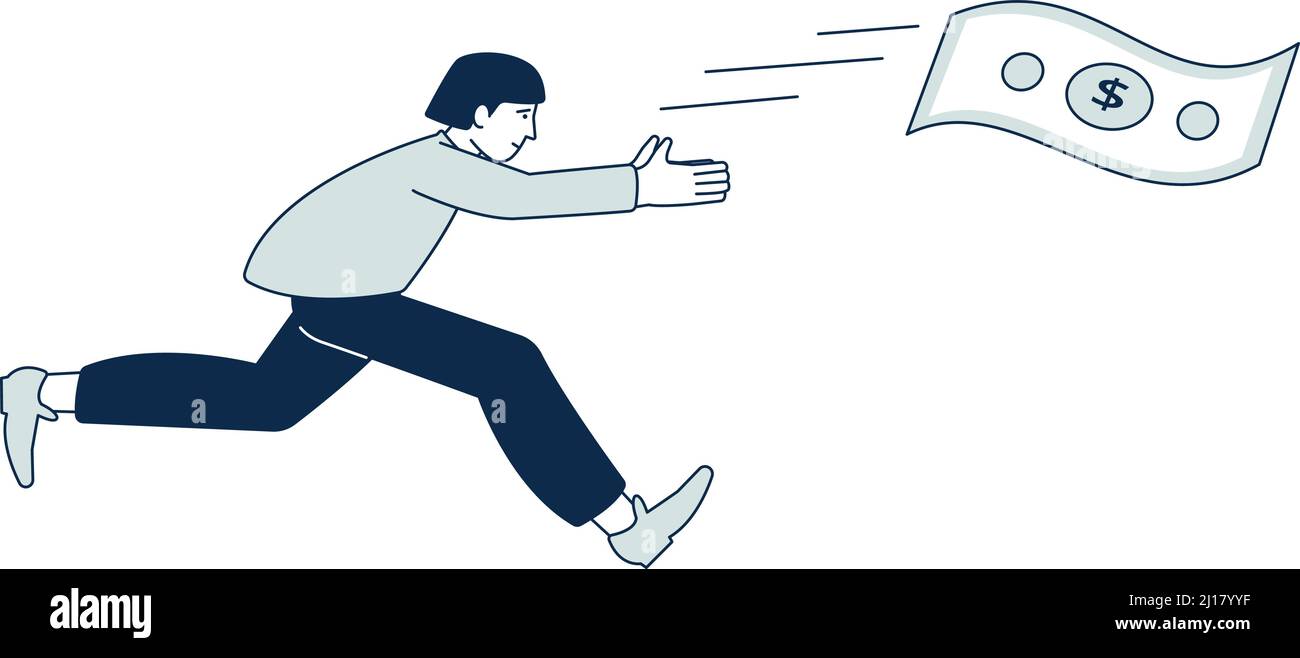
Chasing Money Is Keeping You Poor Because You’re Trapped in the Paycheck Illusion
You trade hours for dollars and call it security.
But every paycheck comes with an expiration date.
In 2026, with AI reshaping jobs faster than ever, relying on a single income stream feels like driving with the brakes on.
The wealthy figured this out decades ago. They don’t work for money, money works for them.
As Robert Kiyosaki explains in the timeless lessons of Rich Dad Poor Dad, the rich acquire assets that put money in their pocket even while they sleep.
You? You’re still chasing the next deposit.
The shocking truth: Your job is a liability in disguise. It caps your time and your income. Break free by starting small—automate even $50 a month into an index fund or a simple rental property, and watch the shift begin.

Chasing Money Is Keeping You Poor Because Lifestyle Creep Steals Every Raise
You finally get that promotion or close the big deal.
Then suddenly your car lease is upgraded, your vacations get fancier, and your new “must-have” gadgets eat the extra cash.
This silent thief, lifestyle inflation, is why so many six-figure earners still live paycheck to paycheck.
A 2025 Bank of America analysis showed roughly one-quarter of U.S. households spend over 95% of their income on necessities, even at higher earnings levels.
The wealthy? They treat raises like rocket fuel for assets, not lifestyle upgrades.
They live below their means on purpose so their money compounds instead of evaporates.
Next time you get extra income, ask: “Does this buy freedom or just a nicer cage?”
The answer might shock you into real progress.

Chasing Money Is Keeping You Poor Because Overworking Is Actually Shrinking Your Wealth
You grind 60+ hours a week thinking “more hustle equals more money.”
But a Stanford study cited in recent analyses proves productivity plummets after about 55 hours.
You make sloppy decisions, burn out, and miss the big-picture moves that actually build wealth.
In 2026’s always-on economy, this trap is deadlier than ever.
The wealthy protect their energy like their most valuable asset.
They say no to almost everything (Warren Buffett style) so they can focus on high-leverage activities, building teams, automating systems, or investing in themselves.
Stop wearing exhaustion as a badge of honor.
Protect your rest, your focus, and your creativity. The ironic result? You’ll actually make more money with less chasing.

Chasing Money Is Keeping You Poor Because Side Hustles Keep You Busy, Not Rich
That extra gig on nights and weekends sounds smart, until you realize you’re still trading time for pennies.
Most side hustles deliver “lunch money” while draining your weekends and mental bandwidth.
A recent deep-dive on Medium nailed it: if your income depends on your personal effort, it’s forever capped by 24 hours in a day.
The wealthy build “money machines”, automated systems, digital products, or scalable businesses that run without them.
They create funnels, lead magnets, and evergreen content that attract customers on autopilot.
In 2026, with AI tools making this easier than ever, the gap between busy hustlers and true owners is widening fast.
Launch something simple this quarter, even if it’s imperfect, and start shifting from effort to ownership.
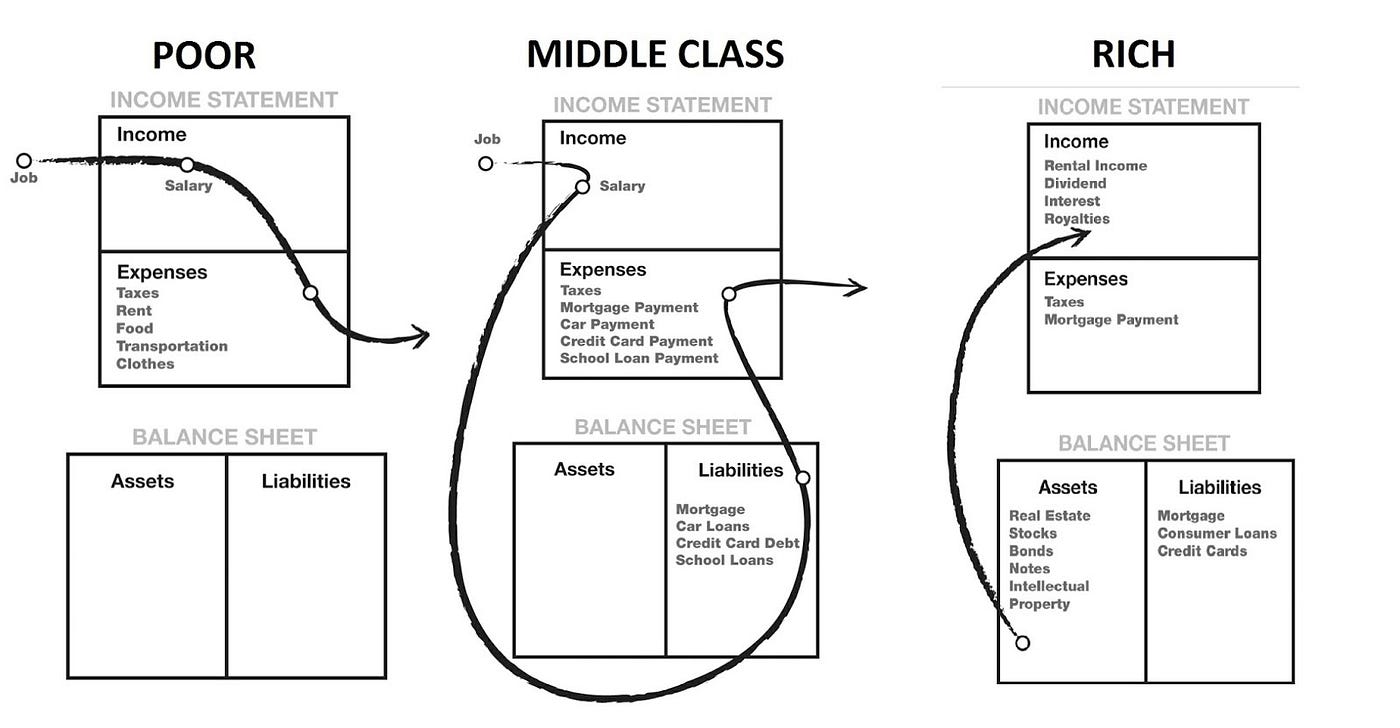
Chasing Money Is Keeping You Poor Because You’re Buying Liabilities Disguised as Assets
Your big house, luxury car, and latest gadgets feel like success symbols.
But according to the classic Rich Dad Poor Dad framework (still powerfully relevant on richdad.com), anything that takes money out of your pocket is a liability, no matter how shiny it looks.
The wealthy buy assets first: real estate that generates rent, stocks that pay dividends, businesses that scale.
They understand the cash-flow quadrant and flip the script, using earned income to buy things that create more income.
In 2026’s volatile markets, this distinction is make-or-break.
Audit your balance sheet this weekend.
Move one “pretend asset” into a real one, and the quiet drain on your wealth finally stops.
Chasing Money Is Keeping You Poor Because Fear of Investing Keeps Your Money Shrinking
You tell yourself “investing is too risky” and leave cash sitting in a low-interest account.
Meanwhile inflation quietly erodes its value every single month.
A February 2025 MoneyTalksNews breakdown called this one of the biggest money lies still keeping people broke.
The wealthy aren’t fearless, they’re educated.
They diversify early with low-cost index funds, real estate platforms like Fundrise (starting at $10), and retirement accounts that grow tax-advantaged.
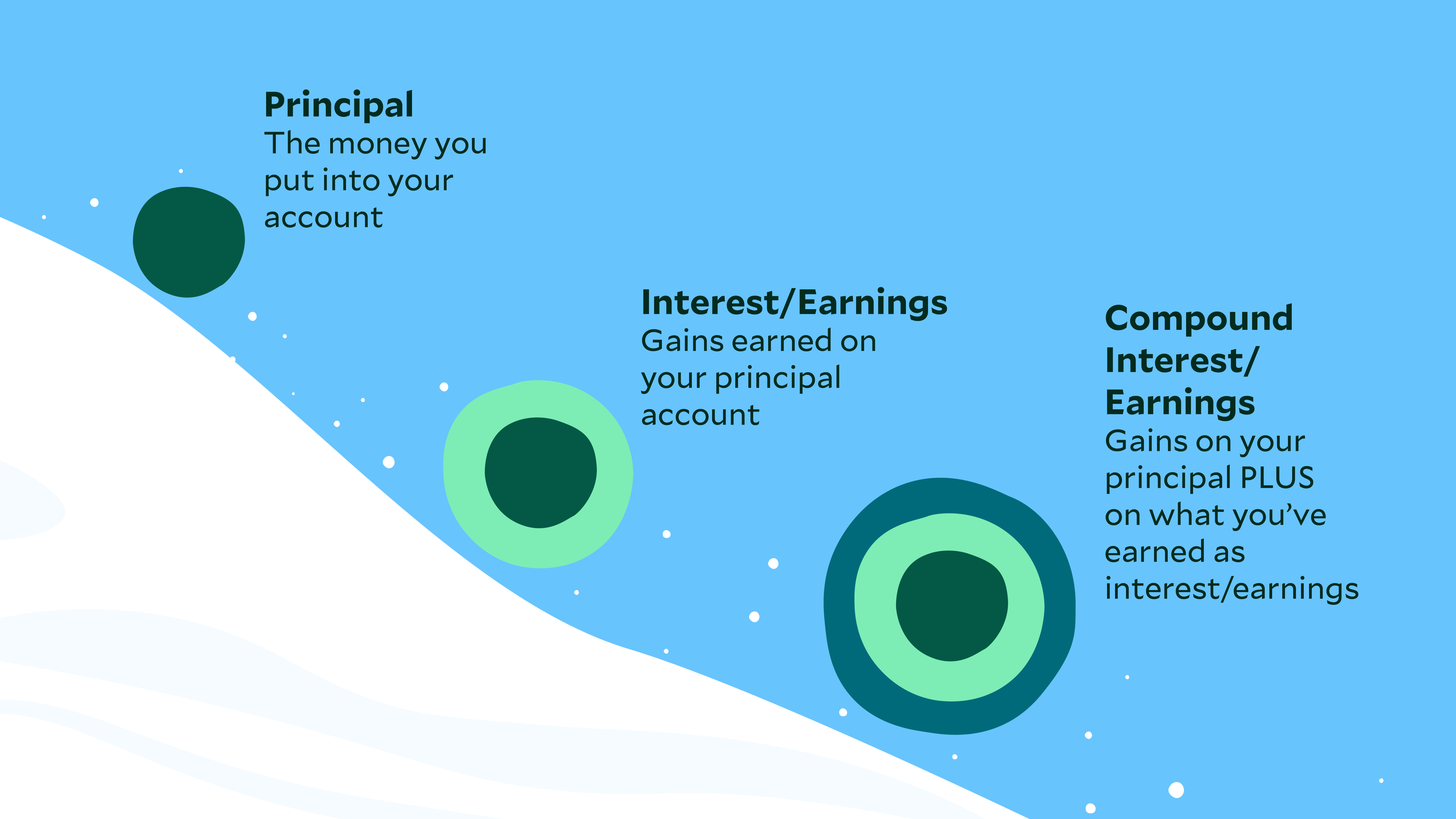
They let compounding do the heavy lifting.
Start with just 15% of your income automatically invested.
In 2026, with AI-driven tools making smart investing accessible to everyone, waiting is the only real risk.
Chasing Money Is Keeping You Poor Because Short-Term Thinking Blocks Compounding Magic
You want results now, so you chase quick wins, lottery-ticket investments, or the next viral side hustle.
But true wealth is a long game.
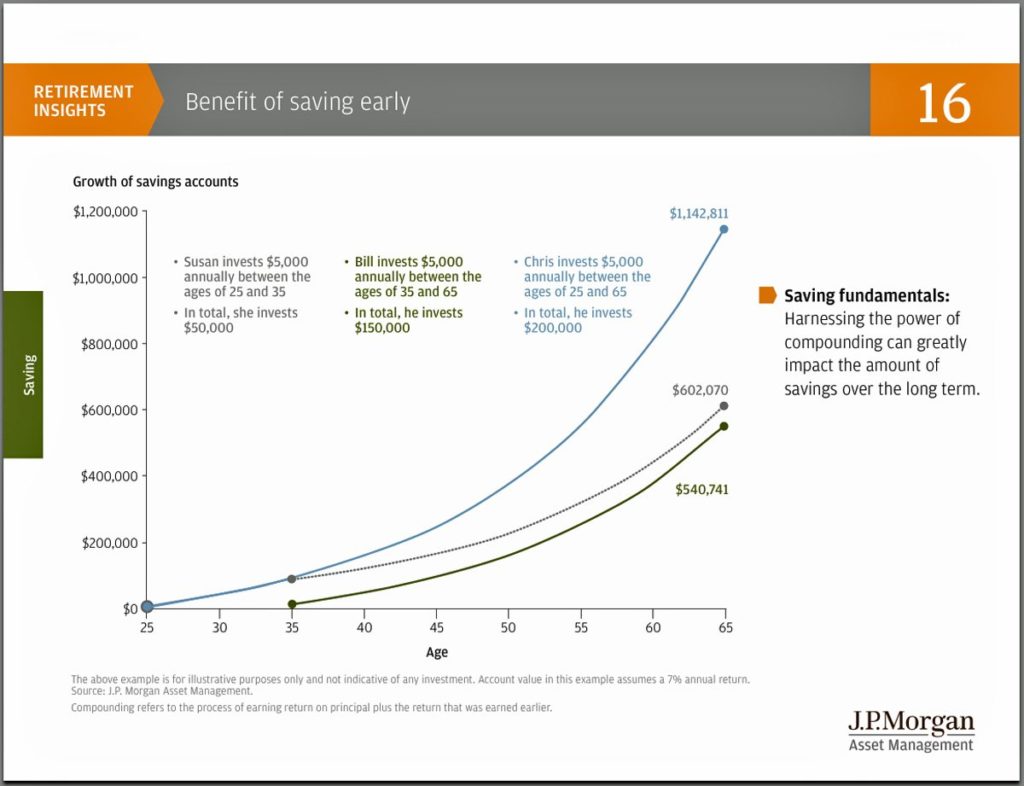
Delaying savings by even five years can cost tens of thousands in lost growth, exactly as the compound interest charts from JP Morgan and others keep showing.
The wealthy plant seeds early and protect them for decades.
They measure success in decades, not quarters.
In 2026, with economic uncertainty still swirling, this patient approach is your unfair advantage.
Pick one small habit today, automate a tiny investment, cut one unnecessary expense, and let time become your best employee.
Chaser vs. Wealthy Mindset: Side-by-Side Comparison
To make the difference crystal clear, here’s how the two approaches stack up in 2026:
| Aspect | Chasing Money Mindset | Wealthy Mindset | Real-World 2026 Impact |
|---|---|---|---|
| Focus | More income, more hours | Assets & systems | Chasers burn out; owners gain freedom |
| Response to Raises | Upgrade lifestyle immediately | Invest first, live below means | Wealthy build compounding snowball |
| Side Income | More gigs, more hustle | Build automated money machines | Owners earn while sleeping |
| Risk View | “Investing is dangerous” | “Not investing is the real risk” | Fearful stay broke; educated grow rich |
| Time Horizon | Quick wins this quarter | Decades of compounding | Short-term thinkers miss millions |
| Energy Management | Grind until exhaustion | Protect rest & focus | Wealthy stay sharp and strategic |
| Success Metric | Bigger paycheck | Financial freedom & time | Chasers stay trapped; wealthy live free |
These aren’t theories, they’re patterns repeated in every high-net-worth story and backed by the data we’ve covered.
The Bottom Line: Stop Chasing Money and Start Building Wealth in 2026
Chasing money is keeping you poor because it keeps you focused on the wrong game entirely.
The wealthy already know the secret: wealth isn’t about earning more, it’s about owning more of what earns without you.
You don’t need a huge windfall or perfect timing.
You just need to flip one habit today, automate an investment, audit your liabilities, or launch one small system.
The compound effect in 2026 will do the rest.
Share Now if this hit home, and drop a comment below: Which of these 7 shocking reasons is holding you back the most?
Your future wealthy self (and everyone reading) will thank you for spreading the truth before another year of chasing slips away.