
Introduction: Private Finance
Imagine this: One unexpected lawsuit, divorce filing, or public record search, and suddenly your entire financial life is on display. Your home address, account balances, even investment details become fair game.
High-net-worth individuals never let that happen. They masterfully separate private finances from personal accounts using time-tested, fully legal structures that the average person rarely hears about until it’s too late.
Today, I’m pulling back the curtain on the exact 9 strategies they rely on. These aren’t shady tricks, they’re smart, sophisticated moves that deliver ironclad privacy, bulletproof protection, and generational peace of mind.
Let’s dive in.

1. Irrevocable Trusts: The Silent Foundation to Separate Private Finances from Personal Accounts
The first move almost every ultra-wealthy family makes? Transferring assets into an irrevocable trust.
Once funded, the trust, not you, legally owns the brokerage accounts, real estate, or business interests. The trust gets its own Employer Identification Number (EIN), so bank statements and tax forms never show your Social Security number or personal name.
Distributions happen only at the trustee’s discretion, and spendthrift clauses block creditors from touching the funds.
Result? Your personal checking or savings account stays clean and invisible, while your private wealth grows safely behind the trust wall.
Experts at UltraTrust explain it best: the moment you complete the transfer (years before any claim arises), those assets are no longer “yours” in the eyes of the law.
Most people wait until trouble knocks. HNWI set this up proactively — and sleep better for it.

2. Layered LLCs: Compartmentalize Every Asset to Separate Private Finances from Personal Accounts
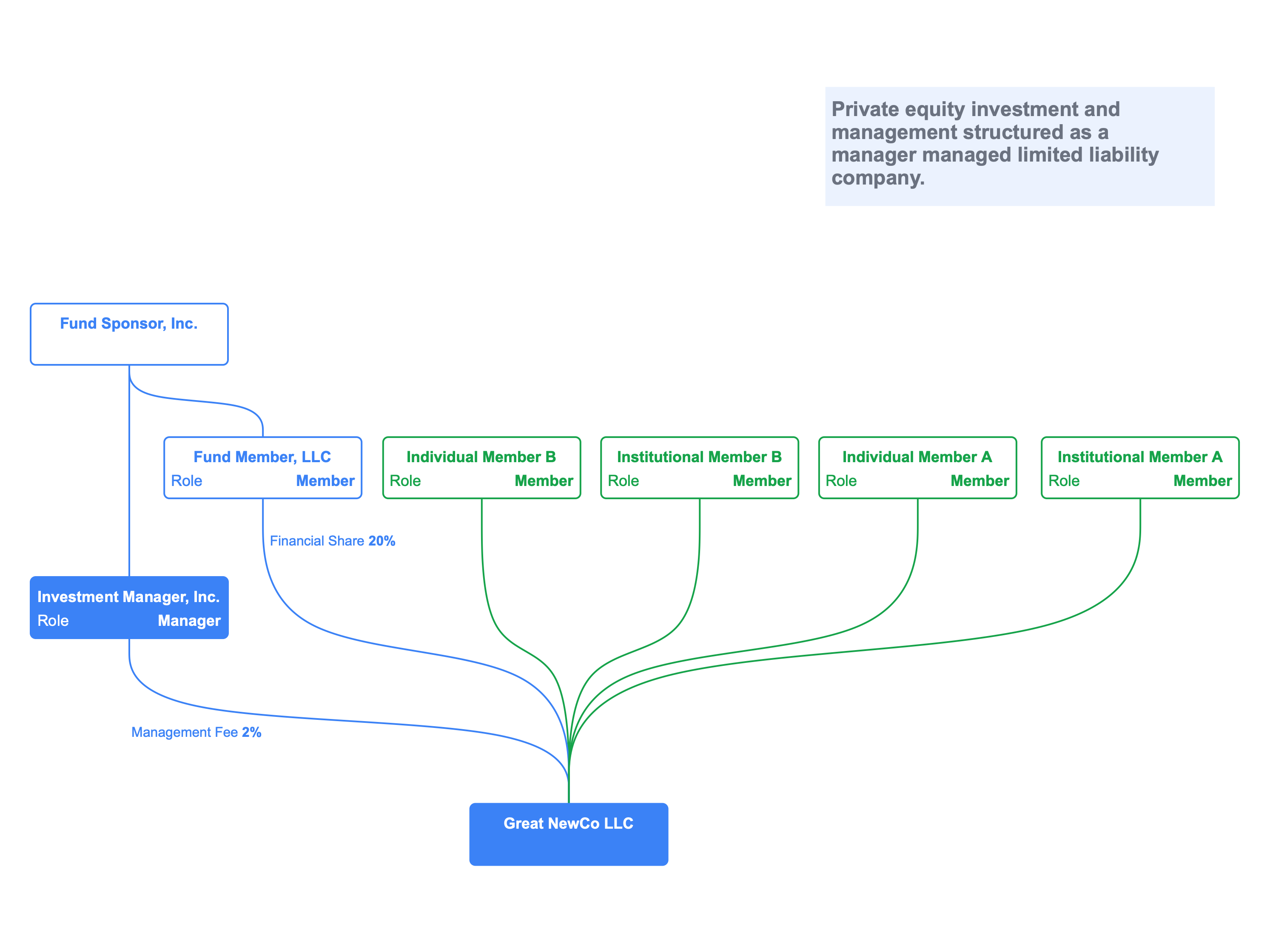
Next level? Wrap each major asset in its own LLC, then let the irrevocable trust own the LLC membership interests.
One LLC holds your vacation home. Another owns the investment portfolio. A third manages the family business. Each has its own EIN, registered agent, and operating agreement.
Public records show only the LLC name. County deeds, brokerage statements, and vendor contracts never list you personally.
This “layering” creates multiple firewalls. A lawsuit against one LLC can’t touch the others, or your personal accounts.
Wyoming, Delaware, and Nevada are favorites for their charging-order protection and privacy-friendly filing rules. The structure is so effective that many HNWI use single-purpose LLCs for every significant holding.
3. Private Banking Under Entity Names: Invisible Accounts That Separate Private Finances from Personal Accounts
Forget walking into a branch with your driver’s license. HNWI open accounts titled directly to their trusts or LLCs at private banks.
The bank sees only the entity’s EIN and a professional trustee or manager as signatory. No debit cards. No personal address on file. Dual-approval controls and encrypted portals keep everything locked down.
Your everyday personal checking account remains untouched, and completely separate. Wires, dividends, and rental income flow straight into the entity accounts, never mixing with grocery or utility spending.
This separation isn’t just convenient; it’s a privacy fortress that keeps your lifestyle and wealth invisible to data brokers and public records.
4. Family Limited Partnerships (FLPs): Control + Discounts While You Separate Private Finances from Personal Accounts
FLPs let parents gift limited partnership interests to children or trusts while retaining full management control.
Because limited partners have no say and interests aren’t easily sold, valuation discounts of 30-40% apply for gift and estate tax purposes.
All assets inside the FLP stay titled to the partnership, not you. Income flows to the partnership accounts, keeping everything neatly separated from personal spending.
The best part? Creditors chasing a limited partner can only get a “charging order”, they receive distributions if any are made, but they can’t force a sale or seize assets.
It’s a masterclass in keeping control while separating private finances from personal accounts.
5. Offshore Structures in Privacy Havens: Global Separation of Private Finances from Personal Accounts
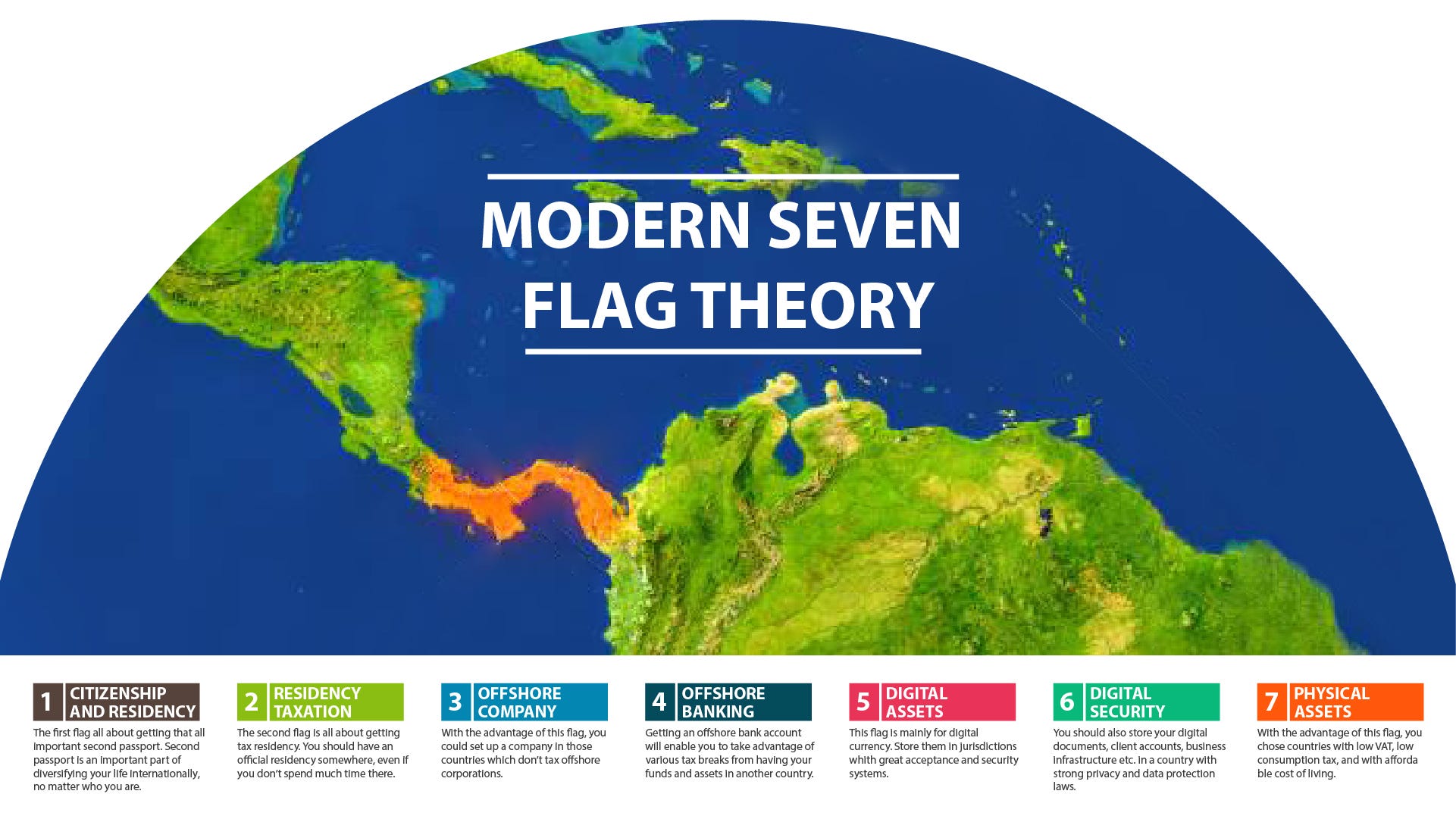
Many HNWI maintain offshore trusts or accounts in jurisdictions famous for strong privacy laws, Switzerland, Singapore, Cayman Islands, and Nevis.
These structures diversify risk and add an extra jurisdictional layer. Assets are titled to the offshore entity, with reporting handled through compliant channels (FATCA/CRS).
Your domestic personal accounts stay 100% separate, no commingling, no cross-border exposure on everyday statements.
The privacy benefit is massive: foreign banks and trustees rarely disclose details without court orders that are extremely difficult to obtain.
6. Private Family Trust Companies: Elite-Level Separation of Private Finances from Personal Accounts
For families with $50M+, a Private Family Trust Company (PFTC) acts as the dedicated trustee for all family trusts.
It’s a state-chartered entity owned and controlled by the family, yet it operates with professional standards. All accounts, titles, and decisions run through the PFTC, never through your personal name.
This creates total separation: personal checking accounts handle daily life, while the PFTC manages billions in private wealth with zero public visibility.
7. Dedicated Family Offices: The Game-Changer Most People Discover Too Late to Separate Private Finances from Personal Accounts
Here’s the one that stings: establishing a professional family office.
A true family office is a private team of advisors, accountants, lawyers, and investment managers whose sole job is overseeing the family’s entire wealth ecosystem.
They ensure every investment, trust, LLC, and account stays perfectly separated from personal finances. They handle compliance, privacy audits, tax optimization, and legacy planning under one roof.
Most people only realize they needed this infrastructure after a privacy breach, ugly divorce, or costly lawsuit has already exposed everything. By then, retrofitting is expensive and incomplete.
HNWI set up family offices early, often when net worth crosses $100M, and never look back. The peace of mind is priceless.

8. Advanced Estate Tools (IDGTs, GRATs, SLATs): Sophisticated Ways to Separate Private Finances from Personal Accounts
Grantor Retained Annuity Trusts (GRATs), Intentionally Defective Grantor Trusts (IDGTs), and Spousal Lifetime Access Trusts (SLATs) let you freeze asset values, shift future growth to heirs or trusts, and still enjoy certain benefits.
All assets move into these specialized trusts with their own EINs and accounts. Your personal finances remain untouched and fully separate.
These tools are so powerful they’re often called “the ultra-wealthy’s secret sauce” for both tax reduction and ironclad asset protection.
9. Strict Operational Hygiene + Umbrella Insurance: The Final Lock to Separate Private Finances from Personal Accounts
Even the best structures fail without discipline. HNWI:
- Never commingle funds (every transfer is documented)
- Use registered agents and virtual offices
- Opt out of data brokers
- Run annual privacy audits
- Carry massive umbrella liability policies ($10M+ is common)
This final layer ensures personal accounts stay pristine while private wealth operates in its own protected universe.
Here’s a quick comparison to make the difference crystal clear:
| Aspect | Personal Accounts Only | Trusts + LLCs + Family Office | Key Advantage for HNWI |
|---|---|---|---|
| Privacy Level | Fully exposed in public records | Almost invisible | Lawsuits and data brokers hit a wall |
| Creditor Protection | Minimal | Charging order + spendthrift clauses | Assets stay safe even in bankruptcy |
| Tax Efficiency | Standard | Valuation discounts + growth shifting | Millions saved over decades |
| Commingling Risk | High | None (separate EINs & accounts) | Clean audit trails forever |
| Legacy Control | Probate + public | Private, controlled distributions | Wealth stays in the family |
| Setup Cost | $0 | $15K–$150K+ initially | Pays for itself many times over |

Why Most People Discover These Strategies Too Late
The painful truth? The average high-earner waits until a crisis, divorce papers served, lawsuit filed, or IRS audit notice arrives, before exploring these tools. By then, fraudulent transfer rules can block last-minute moves, and privacy is already compromised.
HNWI treat separating private finances from personal accounts as routine maintenance, like changing the oil in a supercar. They start early, layer strategies, and review annually with their family office team.
You don’t need nine-figure wealth to begin. Many strategies scale down beautifully for seven- and eight-figure portfolios. The key is acting before you need them.
Ready to stop leaving your wealth exposed?
The first step is simple: schedule a conversation with an asset-protection attorney and a fiduciary advisor who understands these structures.
Share this post with anyone who’s building serious wealth, they’ll thank you later.
What’s one strategy you’re most curious about implementing first? Drop it in the comments. I read every single one.