
9.9% Millionaires Tax Shock: 7 Hidden Ways the New $1M Income Rule Could Quietly Drain Your Wealth by 2028
Picture this: It’s January 2028, and a big chunk of your income over $1 million suddenly disappears thanks to a brand-new state tax.
That’s the 9.9% Millionaires Tax Shock hitting Washington households hard.
The New $1M Income Rule isn’t just another line on your return, it’s a game-changer that could quietly drain your wealth in ways you never saw coming.
And with the bill fresh off the legislative floor, the clock is ticking.

What Exactly Is the 9.9% Millionaires Tax Shock and the New $1M Income Rule?
Washington just became the latest state to slap a 9.9% tax on household adjusted gross income above $1 million.
Passed as Senate Bill 6346, the rule kicks in for income earned starting January 1, 2028, with payments due the following year.
It targets roughly 0.5% of taxpayers—high earners, business founders, investors, and athletes, while promising to raise about $3.5 billion annually for schools, health care, housing, and family tax credits.
On the surface, it sounds targeted.
But dig deeper, and the New $1M Income Rule reveals layers of complexity that go far beyond a simple surcharge.
As one recent analysis points out, this marks a seismic shift for a state long known for having no broad-based income tax.
Why the 9.9% Millionaires Tax Shock Feels Like a Slow-Burn Wealth Drain
Most people focus on the headline 9.9% rate.
Yet the real danger lies in how the New $1M Income Rule interacts with your existing finances, federal taxes, and even life decisions.
It stacks on top of Washington’s separate 7% capital gains tax, creates unexpected penalties for couples, and triggers sourcing rules that follow you across state lines.
And because it starts in 2028, there’s still time to spot the hidden traps, but you have to act now.
Here are the 7 hidden ways the New $1M Income Rule could quietly drain your wealth by 2028.

1. The Sneaky Marriage Penalty That Punishes Dual High Earners
Think you’re safe because each spouse earns under $1 million?
Think again.
The New $1M Income Rule taxes household income, creating a classic marriage penalty.
Two partners earning $700,000 each pay zero under the rule while single.
But once married, their combined $1.4 million triggers the 9.9% tax on the excess $400,000, adding $39,600 straight out of pocket.
This quiet hit can force couples to rethink filing status, timing bonuses, or even delaying weddings.
And it’s not just theoretical, tax planners are already modeling it for clients to avoid surprise bills in 2028.
2. Tax Stacking That Turns Big Business Exits Into Smaller Windfalls
Founders and investors, this one’s for you.
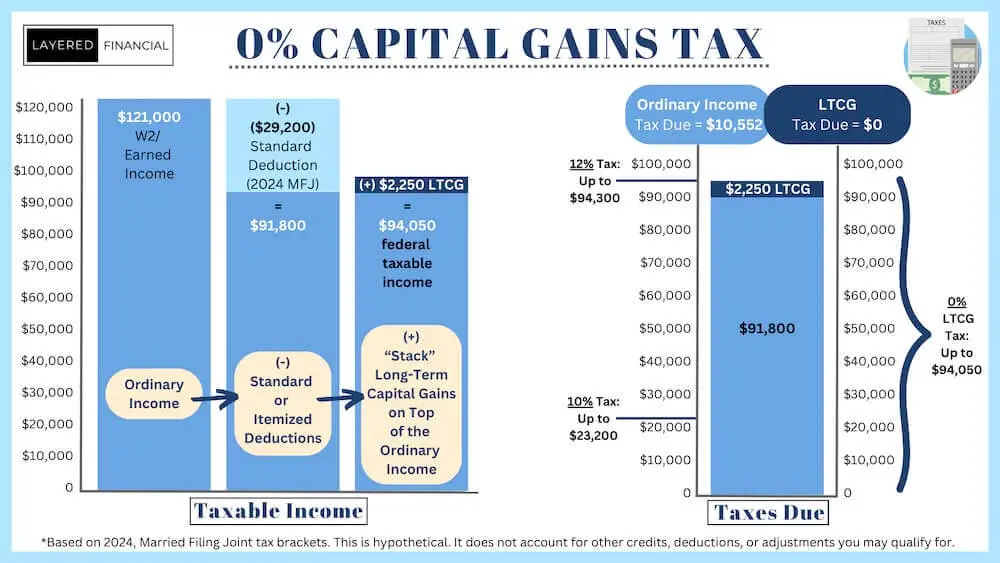
Sell your startup or cash out investments above the threshold, and the 9.9% Millionaires Tax Shock stacks right on top of federal long-term capital gains (up to 20% + 3.8% NIIT) plus Washington’s existing 7% capital gains tax.
You get a credit for the state capital gains tax paid, but only on the first portion, and in mixed-income years, part of that credit can go to waste.
Result? Effective rates easily top 40% on large exits.
One analysis shows a $10 million profit recognized in a single year could cost nearly $1 million extra under the New $1M Income Rule, money that could have funded your next venture or retirement.
3. Sourcing Rules That Follow You Even After You Move
Planning to beat the 9.9% Millionaires Tax Shock by relocating to Florida or Texas?
Not so fast.
The New $1M Income Rule includes strict sourcing rules for Washington-connected income, think partnership distributions, business sales, or even athlete “jock tax” days worked in-state.
Non-residents can still owe on Washington-source earnings.
And changing domicile isn’t cheap: selling your home, uprooting family, and proving you spend fewer than 30 days a year in Washington adds hidden legal and emotional costs.
Just ask Howard Schultz, his family’s announced move to Florida after the bill advanced shows how real the exodus risk feels.

4. Forced Timing Changes That Slow Your Equity and Compensation Growth
RSUs vesting in a big year?
Bonuses or deferred comp pushing you over $1 million?
The New $1M Income Rule forces high earners to delay, defer, or restructure pay to stay under the threshold.
While strategies like non-qualified deferred compensation plans help, they often mean slower access to cash and missed compounding opportunities.
Founders with qualified small business stock (QSBS) may dodge some hits, but edge cases could spark future audits or litigation.
Either way, the quiet drain comes from lost growth potential, money that could have been invested elsewhere sits in limbo until 2028 planning kicks in.
5. Economic Ripples From Wealth Exodus Hitting Your Local Assets
When enough high earners leave, the broader economy feels it.
Property values in Seattle and tech hubs could soften.
Local businesses lose high-spending clients.
And investment portfolios tied to Washington companies face indirect pressure.
Critics warn this 9.9% Millionaires Tax Shock could spark a “seismic shift,” reducing the very tax base it relies on.
Your home equity, rental properties, or startup ecosystem investments quietly lose value, not from your personal tax bill, but from the collective drain.
6. Charitable Deduction Caps That Limit Your Shield
The rule offers a $100,000 charitable deduction (not inflation-adjusted), plus credits for certain taxes paid.
Sounds generous, until you realize it’s capped while your income isn’t.
Donor-advised funds help maximize the “double dip” with federal benefits, but the paperwork and timing constraints add compliance costs that eat into savings.
Many high earners will discover the shield only covers a fraction of the 9.9% hit, leaving the rest to quietly erode net worth year after year.
7. The Creep Risk, This “Millionaires Only” Rule Could Expand Later
Lawmakers insist the New $1M Income Rule targets just the ultra-wealthy.
But opponents point out the bill’s structure makes future tweaks easy, no voter approval needed for expansions.
Critics call it a “temporary exemption” that could slide lower over time, turning today’s targeted shock into tomorrow’s broad income tax.
That uncertainty alone drains wealth through added planning stress, legal fees, and conservative financial moves that limit growth.
Quick Comparison: The 9.9% Millionaires Tax Shock in Action
To make the hidden drains crystal clear, here’s a simple table showing real-world examples for a typical high-earner household:
| Hidden Way | Scenario Example | Potential Annual Wealth Drain | Key Takeaway |
|---|---|---|---|
| Marriage Penalty | Two $700K earners marry | $39,600 | Combine incomes carefully |
| Tax Stacking on Exits | $10M business sale in one year | Up to $990,000 | Spread gains with installments |
| Sourcing After Move | Relocate but keep WA business | 9.9% on WA-source income | Full residency change required |
| Equity Timing | Big RSU vest in 2028 | Lost compounding on deferred cash | Use deferred comp plans now |
| Economic Ripple | Neighborhood home values drop 5% | $50K+ on $1M property | Monitor local market shifts |
| Charitable Cap | $200K donation attempt | Only $9,900 saved at cap | Prioritize mission over max shield |
| Expansion Risk | Rule drops to $500K in 2030 | Multi-year planning costs | Build flexible strategies early |
These numbers aren’t scare tactics, they’re pulled straight from the bill’s mechanics and planner models.
The Bottom Line: Don’t Let the 9.9% Millionaires Tax Shock Catch You Off Guard
The New $1M Income Rule starts quietly in 2028, but its hidden drains compound fast.
Whether you’re a founder eyeing an exit, an investor stacking gains, or a dual-income couple building wealth, the time to model scenarios is now.
Consult a tax advisor, time big moves pre-2028, explore residency shifts, and optimize deductions while you still can.
The 9.9% Millionaires Tax Shock doesn’t have to drain your future, if you stay ahead of it.
Share Now if this opened your eyes, and drop a comment: Which hidden way worries you most?
Your fellow readers (and your future self) will thank you for spreading the word before 2028 arrives.
Stay wealthy, stay informed.